


Nearly half of creators are quietly telling brands the same thing: we feel the pull and our audiences feel it too. CreatorIQ’s newly released State of Creators report, a survey of more than 5,000 creators across 100 regions, puts a number on the discomfort the industry has talked about for years. 42% of creators say they experience real tension between what their brand partners want from a piece of content and what their audience expects from them. Among creators with 500,000 or more followers, that number climbs to 53%. When those same creators are asked how much they trust sponsored content when they see it from other creators, only 15% say they fully trust it. Another 11% say they are outright skeptical on the assumption that creators are paid to say positive things.
The gap is indicative of a relational and structural problem. Understanding it requires going back to a distinction the industry has struggled to see clearly: the difference between advertising and entertainment.
Advertising can be entertaining. Entertainment can advertise. But that overlap is the very reason why brands and creators keep talking past each other. There’s a tendency to assume the categories are about tone or production value, when the real dividing line is about who holds the outcome.
Psychologists have a couple of useful names for what’s happening. Persuasion knowledge, a concept from the consumer researchers Marilyn Friestad and Peter Wright, describes the internal alarm that goes off the moment you recognize you’re a target of a persuasion attempt. Once that alarm trips, everything that follows gets filtered through skepticism and is discounted accordingly. Psychological reactance, a much older idea from psychologist Jack Brehm, describes the second half of the reaction: when people sense their freedom to choose is being narrowed on someone else’s behalf, they push back, sometimes by rejecting the very thing they were being steered toward.
Put those two together and you get the mechanism behind CreatorIQ’s numbers. Advertising, by design, has a predetermined destination. It exists to move someone from an undecided/negative state to a decided/positive one, ultimately telling them what to choose. Entertainment doesn’t work that way. What entertainment does is offer itself up, assuming it has the capacity to land. But whether it lands, whether the viewer chooses to embrace it or laugh at it, share it or ignore it entirely, is left in the viewer’s hands. That’s the key distinction. While one form is trying to produce a specific outcome, the other is putting the outcome up for a vote that viewers get to cast for themselves.
Audiences can’t always name what they’re reacting to when a creator they trust suddenly reads an ad script. What they’re responding to is the sensation of persuasion knowledge activating. They recognize that their feeling of choice just changed, and that someone is trying to produce an outcome in them rather than offer them something to react to. Entertainment doesn’t trip that same wire, and even when it occasionally does, trips it much more softly because it isn’t structured around directly persuasive messaging.
None of this is new for entertainment at large. Traditional media solved for brand integration decades ago through sponsorship, underwriting, and product placement, all of it absorbed into the category without collapsing it into interruptive advertising. Part of how that worked is that audiences extended a certain baseline trust to the network or studio itself. If a network vouched for a show, the brand association within came along for free.
Creator-driven entertainment doesn’t have the same layer of institutional cover, and because of that, its audiences don’t expect it. That’s not to say there aren’t frameworks within the creator economy that have built their own version of network trust. Audiences who’ve watched years of consistent sponsored segments on their favorite YouTube channels, for example, have come to expect it. But as formats fragment, attention spans compress, and platforms multiply, that inherited trust gets harder to lean on. A brand can’t assume goodwill by association the way it once could with a media buy on a trusted network. Creator audience trust must be earned, which means building it deal-by-deal in front of an audience that is evaluating the brand fit in real time.
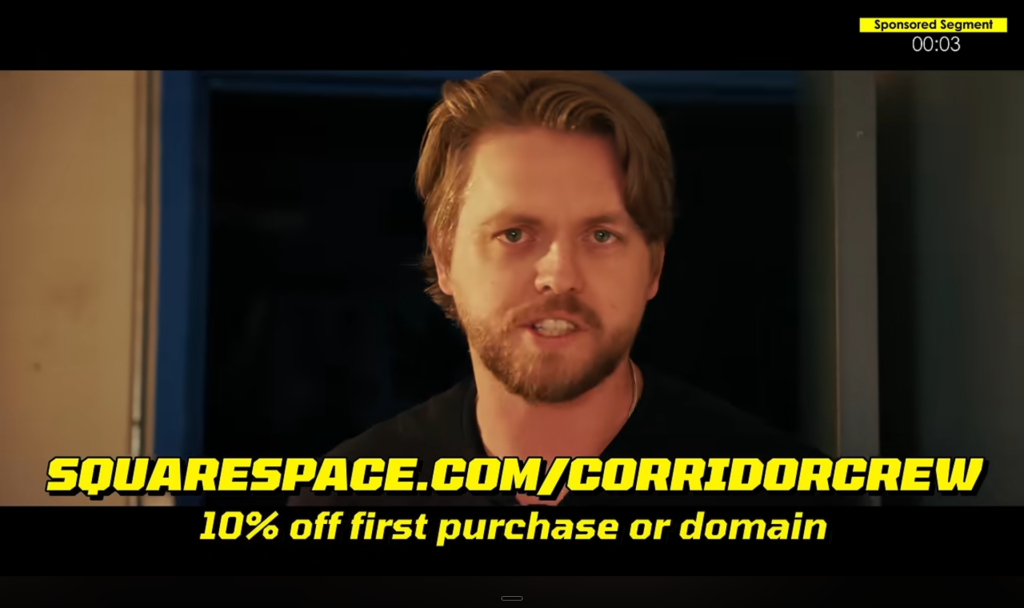
The sharpest brand marketers have figured out that a brand’s goals can be nested inside entertainment without tipping the whole thing over into advertising, but only if the brand is willing to forego the very thing advertising is built around: the predetermined outcome. It’s arguably the hardest trade a brand marketer can make, because it means foregoing the safety of the proven internal system for development of a new path. A path that is best navigated with a budget, a relationship, and a willingness to both communicate and collaborate with creator partners from the earliest stages of media product development.
In practice, the most productive version of this for all parties involved looks like long-term, collaborative partnership. A brand and a creator (or a specialized agency or production partner who can broker the relationship) building something together from the ground up stands to perform better with brands, creators, and their audiences than a brand renting 90 seconds of a creator’s on-screen time. Done well, it doesn’t upset the apple cart the crator has spent years building with their audience. Instead, it adds a co-signer whose presence has the potential to read as elevation rather than intrusion, because the brand’s presence is woven directly into the product from the outset, rather than stuck on at the end.
CreatorIQ’s data points straight at this. Among the factors creators say build audience trust in sponsored content, a demonstrated long-term brand relationship ranks second at 22%, behind only creators who are willing to acknowledge a product’s downsides. And yet, only 12% of creators say their brand deals are primarily long-term; the rest are still doing one-off placements or some mix of the two. The audience is telling brands what it wants to see more of. Most of the market hasn’t caught up yet.
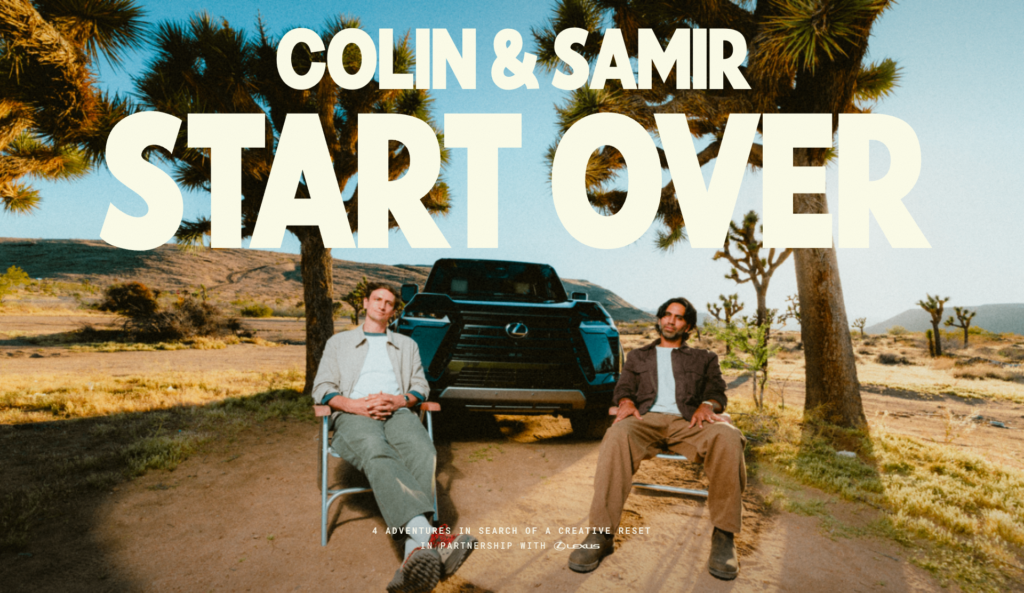
For those brands that are engaging in the long-form collaborative model with creators, development-level partnerships are already working. Colin and Samir’s Start Over, made with Lexus, is a clean example of the right fit between brand and creator, established at the development phase, working. The Duo built their channel covering the business of the creator economy for an audience that skews older and more professionally minded than the median YouTube viewer, which means a luxury automotive brand is a plausible extension of who they already are. The series, which follows the pair traveling the country in Lexus vehicles and processing a personal chapter in their lives (both lost homes in the 2025 L.A. fires), was built using their own established hooks and pacing. Colin Rosenblum has described the goal as making something that ‘felt very native to YouTube… even down to the initial hooks.’ The Lexus cosign functions here the way a good brand cosign should for creators at their stage: it reinforces the adult, business-savvy positioning they’ve been building for years.
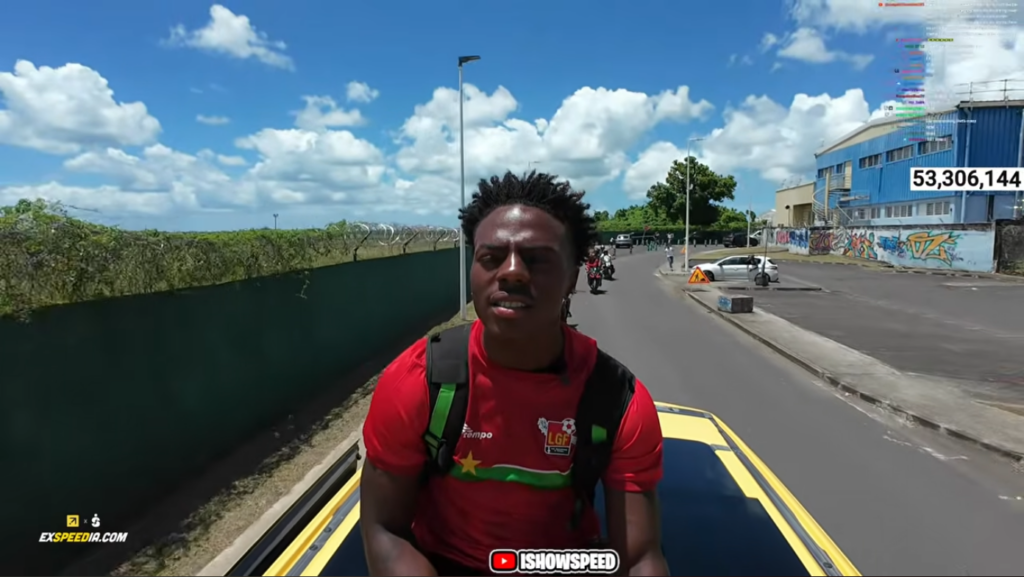
Expedia’s yearlong partnership with iShowSpeed works for a related but distinct reason: it doesn’t ask him to become a different creator; it just gives his existing instincts a bigger budget. Speed built his following on chaotic, high-energy content, including a 28-day run across 20 African countries. In partnership with Expedia, Speed aired a nearly 121-hour livestream sprinting through four Caribbean destinations, with viewers able to book what they were watching in real time. For audiences, this was recognizably his show, just with a travel company’s financial support and infrastructure behind it. Again, the brand fit here is one that already aligns with the creator on a values level, improves the quality of the creator’s existing program with budget, and signals to his audience an assumed level of success on the part of the creator, fostering a positive association with the supporting brand.
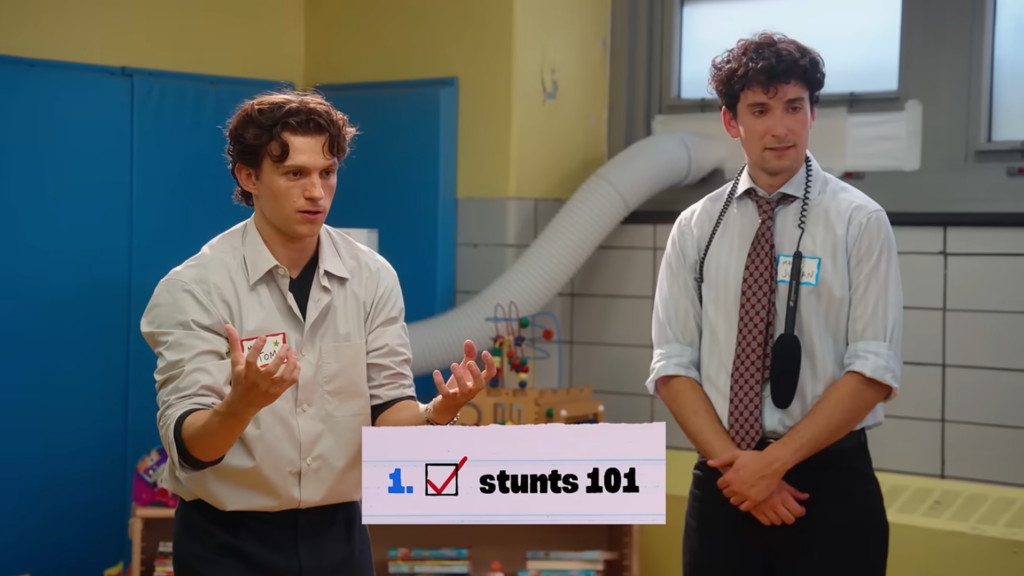
For an even clearer example of this patronage model, Julian Shapiro-Barnum’s collaboration with Amazon stands out. The creator behind Recess Therapy partnered with Amazon to launch Celebrity Substitute, an episodic series in which celebrity guests are invited into an NYC public school classroom to teach workshop-style lessons on a subject of their choice. The series takes Shapiro-Barnum’s warm, unscripted, and kid-forward sensibility and scales it up with real production value and a marquee guest list that’s included Cynthia Erivo, Katseye, and Tom Holland. Amazon then funds teacher wish lists after each episode, turning its sponsorship into donations of classroom laptops, instruments, and basic school supplies. Amazon and Shapiro-Barnum produce the show according to a set of guidelines developed collaboratively, empowering the creator to impart their unique sensibility onto the program relatively unchanged, which is ultimately what gives the brand room to be generous without becoming intrusive.
Brands looking to build genuine trust with creator audiences need to be working directly with creators or skilled storytelling partners capable of hand-crafting a partnership that lives inside a creator’s existing authenticity. Of the ways to do that, one of the most reliable is patronage: committing to a real series, funding it like a producer, and allowing the elevation in production value to do the brand-building work. It’s the same instinct that let networks like HBO turn Issa Rae’s Awkward Black Girl into Insecure, or Comedy Central to elevate Broad City from a web series to a network show. The creator economy’s version of that patron relationship is being written now. And whether this version of patronage becomes ubiquitous or simply emerges as one of many ways for brands and creators to collaborate effectively in the long-term, one thing is for certain: the pay-to-play model’s performance value is suffering. Audience buy-in is headed elsewhere, and it’s up to the market to catch up.