

Sports sponsorships often begin with visibility: a logo on a shirt, a presence in the stadium, a set of rights that place a brand near the action. But visibility alone rarely creates meaning. The more valuable opportunity is in finding the shared truth between a brand and a team, then turning that alignment into stories audiences would choose to spend time with.
That is the opportunity Little Dot Studios identified in the partnership between Indeed and Brentford FC. Indeed’s mission centers on helping people and businesses find the right talent, while Brentford has built a reputation as a community-focused football club known for identifying and developing overlooked potential. Together, they create a natural platform for storytelling around talent, opportunity, ambition, and the conditions that help people thrive.
Brand Storytelling caught up with Fiona Wood, Strategy Director at Little Dot Studios, to discuss how sponsorship can move beyond brand stamping, how football, careers, and culture can come together through a coherent creative platform, and what brands can learn about turning sports partnerships into long-term engines for content, community, and cultural relevance.
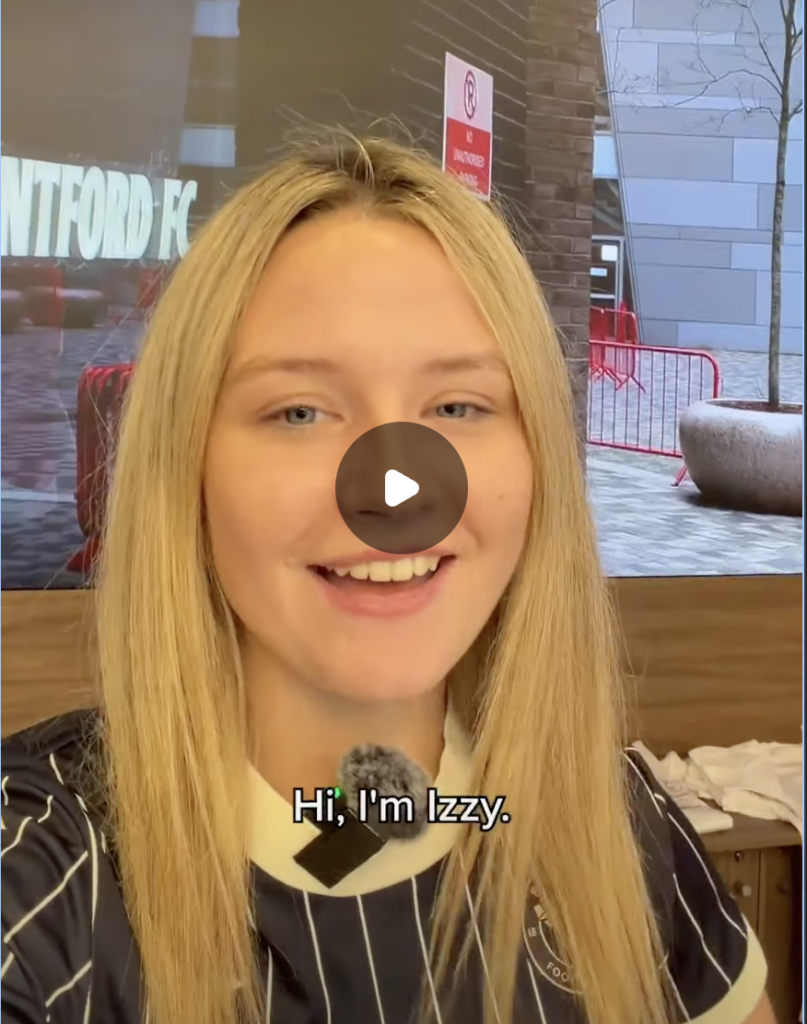
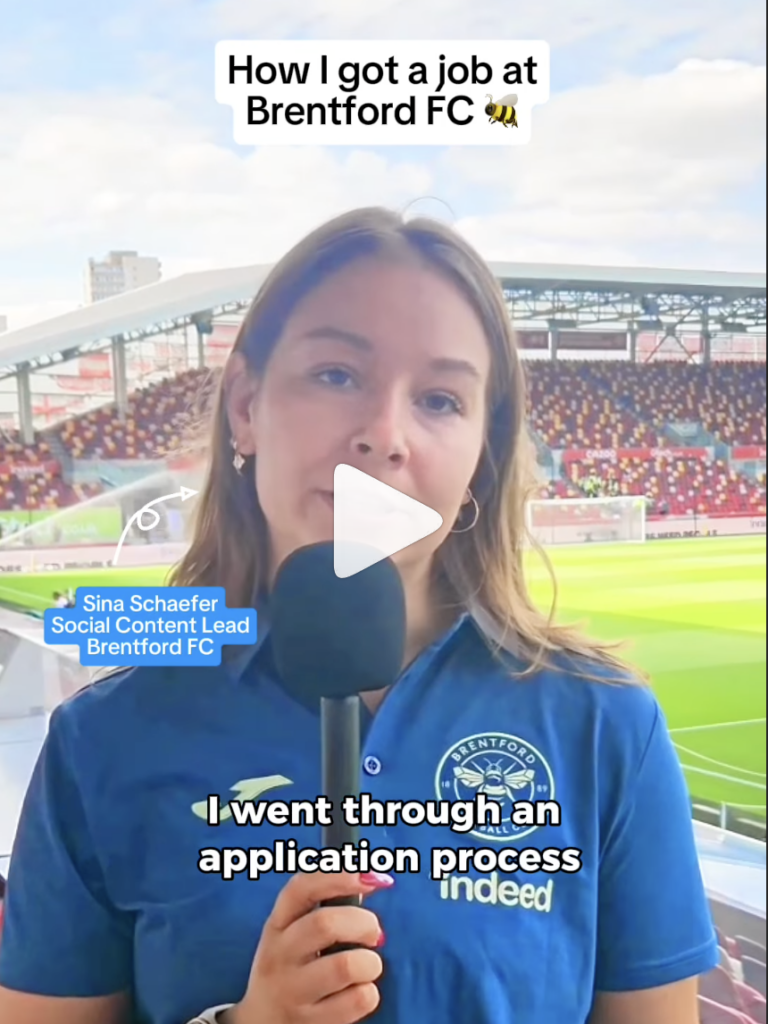
What did you see in the alignment between Indeed’s mission around finding the right talent and Brentford’s reputation for identifying and developing overlooked talent that made this partnership particularly fertile ground for storytelling?
Indeed’s mission of helping people and businesses find the right talent naturally connected with Brentford’s distinctive identity as a values-based and community-focused football club known for unearthing and developing hidden talent. This gave Little Dot Studios an opportunity to uncover the hidden stories of talent, ambition, and opportunity that sit beneath the surface of football and that wider fandom could connect with, but may not have seen before. We pulled this all together under the idea that the right talent can change everything, which will serve as the creative positioning throughout the campaign.
Crucially, Indeed has been open to exploring creative routes that felt less about brand stamping and more about authentic brand storytelling, while Brentford’s identity as a community club gives these stories genuine credibility and a human connection.
Together, that created a platform to tell distinctive stories about what it means to spot potential, give people a chance, and create the conditions for talent to thrive.
Indeed already has significant visibility through its front-of-shirt and wider Brentford partnership, so how did you define the opportunity to turn that sponsorship presence into something audiences would actively choose to engage with?
We see an opportunity to build on the existing visibility to create and generate genuine relevance that audiences choose to engage with.
Indeed is a partner in someone’s career journey, not just a platform to search for jobs, while Brentford gives us an authentic platform to bring that ambition to life through real stories of people, careers, and opportunities within and beyond football.
By uncovering and celebrating those journeys, particularly the unexpected routes people have taken and the moments that have shaped their careers, we can put compelling human stories at the heart of the partnership, while naturally demonstrating the role Indeed can play in helping people discover their next opportunity.
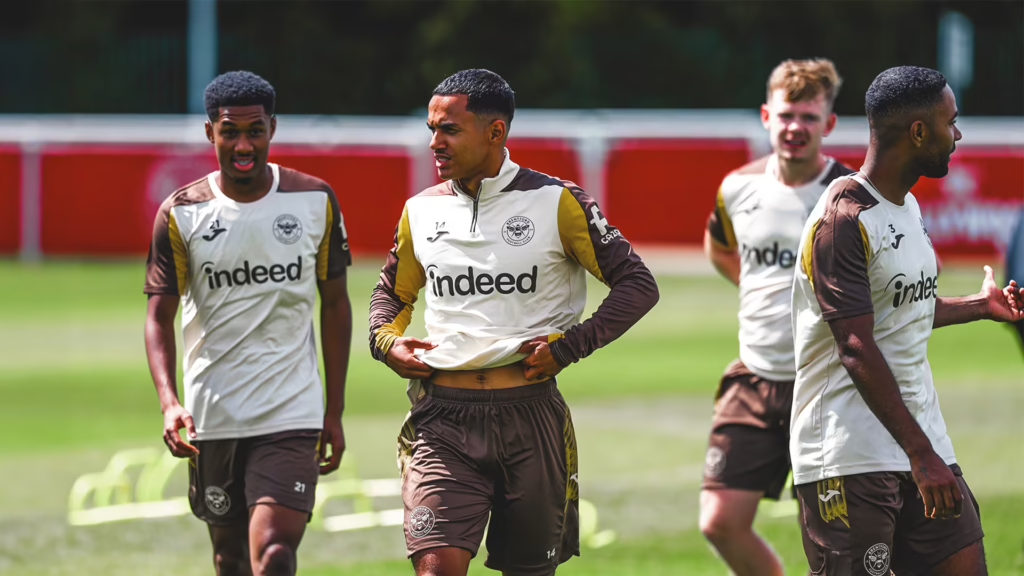
Little Dot has described the strategy as connecting football, careers, and culture, so how do you translate those three territories into a coherent creative platform without stretching the connection between the brand and the club too far?
The creative positioning that talent can change everything serves as the connective tissue that ties together football, careers, and culture. “Football” provides the authentic starting point, highlighted through Brentford’s distinctive approach to spotting and developing talent, while “careers” allows us to broaden that into a universal idea around opportunity, potential, and finding the right path. “Culture” means we can explore those stories in ways that feel relevant to our 25- to 34-year-old football audience, connecting the world of the club to the wider conversations they are having around work, ambition, and identity.
Importantly, we don’t rely on Brentford’s channels alone. We think about where the audience naturally consumes culture, working with relevant creators and distribution partners to give the stories credibility and reach. This keeps the creative platform rooted in a genuine brand truth, while allowing the storytelling and distribution to travel well beyond the traditional sponsorship space.
How are audience insights and data informing the stories, creators, formats, and distribution decisions you make while still leaving room for ideas that originate from football culture itself?
We use data to shape the creative, rather than dictate it.
Little Dot brings deep expertise in football culture, having worked across the sport for a number of years with a range of prominent football clients, so we have a strong understanding of the conversations, behaviors, and communities that shape the fanbase.
We’ve combined that cultural understanding with audience insight around our core 25- to 34-year-old football fan, looking at the types of content and storytelling they resonate with, particularly across social.
This has directly informed the creators we’re selecting, the formats we’re developing, and the platforms and distribution routes we’re prioritizing. At the same time, we want to leave space for ideas that emerge organically from football culture, the conversations, personalities, and unexpected stories that you can’t always find in the data.
The activation spans original content, creators, live experiences, social, PR, and paid media, so how do you determine what role each channel should play rather than simply adapting the same campaign idea across every touchpoint?
We take a strategic, audience-first approach to distribution, rather than simply adapting one campaign idea across every touchpoint.
For each channel, we consider the role it can best play, the purpose of the content, and the audience we need to reach.
Football sponsorship can easily become a competition for visibility, so what principles are guiding your approach to making Indeed feel like a meaningful participant in Brentford fandom rather than a brand occupying valuable real estate around it?
Our approach is grounded in making Indeed part of the story, rather than simply putting the brand around the club. We’re staying true to the wider ambition of the partnership and using “The Right Talent Changes Everything” as our brand truth to give a clear, authentic reason for Indeed to be part of the conversation.
From there, the focus is on finding stories about talent, opportunity, and potential that audiences will genuinely care about, rather than forcing a brand message into football content.
It’s also important that we think beyond the Brentford fanbase to connect with the wider football fandom, creating ideas that can travel beyond the club.

If this partnership succeeds in creating the kind of long-term value Little Dot and Indeed envision, what should brands learn from it about turning sports sponsorships into durable platforms for content, community, and cultural relevance?
I think the biggest lesson is that sponsorship can move beyond brand stamping to become a genuine content and cultural platform.
The ambition would be for this partnership to become something that other brands and rights-holders point to as best in class, not because of the scale of the sponsorship, but because of how intelligently it connects a brand to an audience.
That means starting with a genuine brand truth, understanding where your audience is and what they actually want to engage with, and then creating stories and experiences that earn their attention rather than simply interrupting it.
The strongest partnerships should give brands permission to participate in culture in an authentic way, while always retaining a clear and recognizable brand narrative. For us, success is when the audience chooses to engage with the story first and the brand becomes more meaningful because of it.