

Global sporting events often arrive with a familiar brand playbook: official sponsorships, media buys, logo placement, and short-term campaigns built around borrowed attention. But when a moment as large as the World Cup lands in a city, the opportunity for brands can be much more local, more participatory, and more lasting than visibility alone.
Kansas City’s role in FIFA World Cup 2026 offers a case study in what that can look like. The city has already hosted three of its six matches and still has major moments ahead, including a quarterfinal, while also serving as a base for global football powers including Argentina, England, and the Netherlands, with nearby Lawrence, Kansas hosting Algeria. For local and regional brands, the opportunity is not only that the world is watching Kansas City. It is that international fans, teams, media, and businesses are experiencing the city through its neighborhoods, restaurants, stadiums, stores, and gathering places.
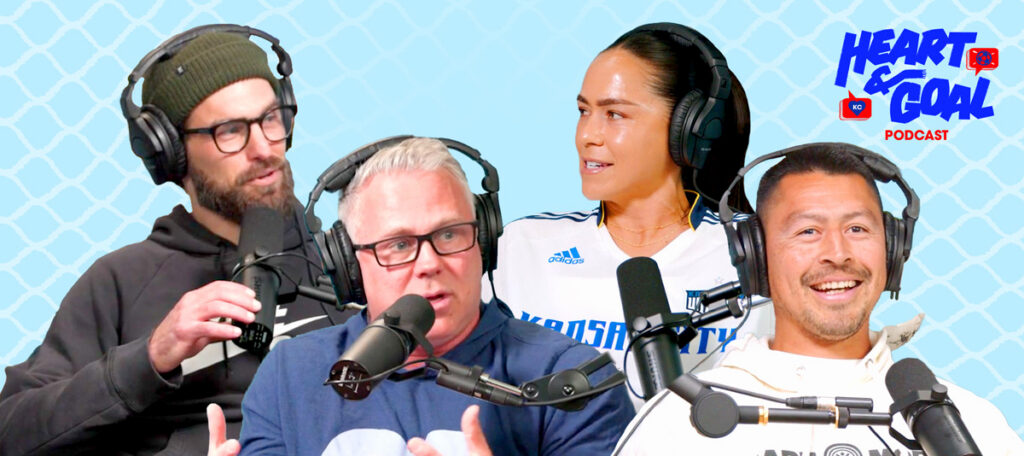
WTA, formerly Walz Tetrick Advertising, is helping shape that moment through work that treats KC2026 not only as a sports event, but as a civic and cultural opportunity. Its in-house podcast, Heart & Goal, brings together Kansas City soccer figures and local voices to help fans, businesses, and residents understand the scale of the tournament, while the agency’s broader work across sports, athlete partnerships, and community-rooted campaigns points to the ways brands can show up around major events without feeling opportunistic.
Brand Storytelling caught up with WTA CEO Charlie Tetrick to discuss how Kansas City has prepared for and participated in the global spotlight, what brands can learn from the city’s approach to the World Cup, and why the most effective activations around major sports moments are often the ones built from community outward.
From your vantage point, how are brands activating around the FIFA World Cup 2026, and what distinguishes the most effective approaches from the rest?
It’s a new frontier for everyone, and brands are approaching FIFA World Cup 2026 with the mindset of a six-week cultural moment rather than a traditional campaign. The most effective activations are bringing the brand directly into communities, showing up where people live, work, and gather to experience the excitement together.
What separates the strongest approaches is that they extend beyond the tournament itself. While many brands will go quiet once the final whistle blows, some are already planning post-World Cup promotions and experiences. That creates an opportunity to stay relevant, capture residual enthusiasm, and earn visibility when competitors have largely stepped away.
What makes a moment like the World Cup different from other tentpole events in terms of how brands can authentically engage audiences rather than simply sponsor visibility?
By the numbers, it’s the biggest sporting event that’s been held anywhere. For a country used to a Super Bowl, with 125.6 million viewers, the World Cup has 4 to 5 billion global eyeballs on it; half the global population, with the world at 8.3 billion people today. It’s a very interesting thing.
Part of my work on the planning committee has been coaching local brands that authentic engagement means increasing community visibility, but also understanding that your “locals,” for this six-week duration, come from all over the world. We are hosting Argentina, England, and the Netherlands, with Algeria based nearby in Lawrence, Kansas, for nearly two months. Even during the Olympics, we would foster more national pride than international interest. For the World Cup, attendees coming from all over will be more interested in what this host city, which they may be 0% familiar with, has to offer. No other tentpole sporting event works that way.
As such, any brand that’s interested in a global presence is interested in the Cup. All of our clients are capitalizing on the fact that so much energy and activity are happening in Kansas City, right in their backyard.
Kansas City is not always the first city people associate with global football culture, so how have you approached positioning it as a credible and compelling storytelling platform for KC2026?
They will after the World Cup! Kansas City actually has deep sports roots and is a major soccer city. Sporting Kansas City is our MLS team here, a client of ours, and one of their original founders, Lamar Hunt, built one of the first purpose-built soccer stadiums in America. Before anyone builds a soccer stadium elsewhere, they look to Kansas City’s stadium for inspiration. The leaders of Sporting KC also serve in various MLS leagues.
The women’s team, the Kansas City Current, also made history by playing in the first stadium in the world purpose-built for a women’s professional sports team. On top of that, we have one of the biggest youth soccer populations in the country.
To get the World Cup here and position it as a credible platform for World Cup knowledge, I understand that other, larger cities that didn’t win their bids wondered: why Kansas City? The answer is that we’re a not-so-hidden gem in the Midwest. Once leaders from the World Cup visited, they realized they had no idea what Kansas City could offer. Our soccer history was an integral part of why we were chosen, but we were also working on our bid for two and a half years, and explored ways to position our offerings as world-class, not just sports, but our business leaders, our city culture, our healthcare, and our quality of life. Much of our work has been spreading the word that until you visit, you don’t get it.
With teams like Argentina, England, and the Netherlands using Kansas City as a base, and Algeria based nearby in Lawrence, Kansas, how does that level of global attention reshape the opportunity set for brands operating at the local and regional level?
It’s a lot. It piles onto some of our past sports successes. We hosted the NFL Draft in Kansas City a couple years ago, the Kansas City Royals are two-time World Series champions, and of course, we recently earned the nation’s attention with the Kansas City Chiefs playing in five Super Bowls within the past six years.
As I said previously, local and regional brands have a potentially once-in-a-lifetime opportunity to authentically engage directly with people from all over the world right in their backyard. They won’t need to pay large sums of money for global campaigns when the “international” is coming right to them. We were selected not just to be the host city for these major teams, but also to have a Round of 32 game and a quarterfinal match. If the matches shake out, we might host an Argentina vs. Portugal match; Messi vs. Ronaldo would be one of the biggest showdowns in sports, right in Kansas City. That means international visitors who may have never heard of us will get a glimpse of what we’re all about.
Through your work at WTA, what patterns are you seeing in how brands are activating around the World Cup that go beyond traditional media buys or official sponsorships?
One pattern we’re seeing is brands turning their physical locations into World Cup experience hubs rather than relying solely on traditional advertising. A great example is Price Chopper, a local, family-owned grocery chain deeply connected to the Kansas City community.
Price Chopper has partnered with national teams, including Argentina and Algeria, and is bringing the World Cup directly into its stores through team-branded signage, FIFA merchandise, and in-store activations with brands like Coca-Cola and Lay’s. What’s unique is that they’re not just promoting the tournament, they’re creating a destination where fans can engage with the World Cup as part of their everyday routines.
As Kansas City continues welcoming visitors from around the globe, Price Chopper is leveraging its role as a trusted local brand to connect both residents and international fans. The most effective activations we’re seeing are those that create real-world experiences and community engagement, turning existing customer touchpoints into cultural gathering places during the tournament.
How do partnerships with local teams like the Kansas City Royals and Kansas Athletics factor into building a more holistic, community-rooted narrative around the event?
We also shot videos for KC Royals baseball, which will run on the jumbotron here. Leveraging our baseball as well as soccer presence during this event is important; we want to be known for the breadth of our sports offerings. During the World Cup, there will be 13 Kansas City Royals home games. People coming from other countries who might have some downtime may be interested in catching a game they can’t see at home.
Sporting KC is really knee-deep in all of this. Their training facilities are being used as base camps and support. They’re really in the middle of all of it.
The Heart & Goal podcast is a notable example of owned media in this space, so what role do you see long-form, story-driven content playing in extending the lifespan and depth of a global sports moment?
The podcast seized early marketing opportunities more than two months before the Cup began, and before many advertisers got started. Long-form, story-driven content can similarly take advantage of pre-event buzz-building and own the momentum early on.
The first Heart & Goal podcast episodes were about educating the local market on what the World Cup entails before it all began. For people not in the know, they might anticipate just one major game. They needed to understand that we were hosting a six-week tournament full of parties, fanfare, and events. We educated them about FIFA’s history and Kansas City’s commitment to the Cup, and on logistical matters: how we increased bus transportation, where the watch parties will be, and how small businesses can get involved.
The “Heart” part of the name Heart & Goal stands for Heartland, what Kansas City is doing to support the Cup, and how it tracks with our sports values and history. We spent a lot of time bringing in company founders, sports leaders, and more to discuss how strong Kansas City is as a market, with a large footprint visiting during the summer.
How it lives post-World Cup remains to be seen, though we know our client Sporting KC will expand on the soccer narrative that we built during the World Cup.
For brands that are not official sponsors of the World Cup, what are the most effective ways to participate meaningfully without feeling peripheral or opportunistic?
If it’s here, you might as well embrace it and be a part of it. Brands involved in the World Cup officially through FIFA channels are the big guys. They can afford to put multiple millions of dollars behind their budget. Then there are local brands: local restaurants, stores, etc., that have to decide if it’s worth the investment.
To avoid feeling opportunistic or peripheral, which is a quick way to earn community mistrust, brands need to be properly educated on the niche cultural components of their audience’s community, and use that knowledge to integrate themselves in ways only locals would expect and appreciate. The brands that assume the spirit of embracing Kansas City and its guests here will be the most welcome.
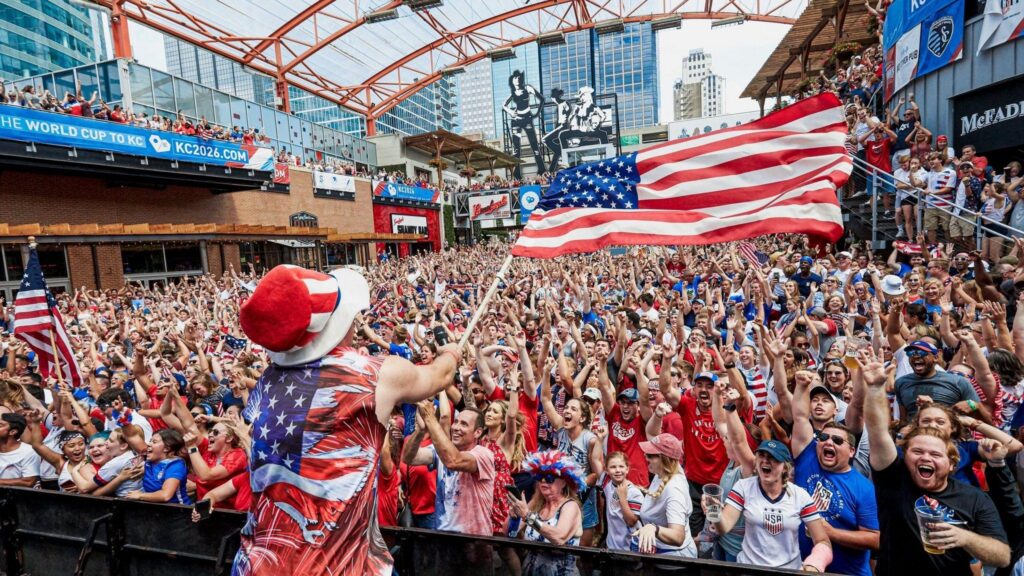
One example is by integrating in the Kansas City Power & Light District, a known open-air hub of restaurants, bars, and other entertainment. Our Heart & Goal podcast will go live in the district’s “Living Room,” the nickname for the KC Live! Block, part of an eight-block entertainment and nightlife district. We’re one of three podcasts recording in its venues, and brands that want to be seen as “in the know” are collaborating with these partners to bring their message to spaces like this, where the community gathers.
Can you share examples from your work with brands where athlete partnerships have translated into deeper cultural connection rather than just endorsement?
One example comes from WTA’s work managing NIL activations for Kansas Athletics. We partnered with ShotTracker, a basketball technology company, and University of Kansas men’s and women’s basketball players on a campaign that connected athletic performance to a meaningful cause. For every shot made, fans were encouraged to donate to cancer research.
WTA helped connect the initiative with The V Foundation, which amplified awareness and provided the donation platform. The campaign ultimately resulted in a cancer research grant benefiting The University of Kansas Health System.
What made the partnership successful was that it went beyond a traditional athlete endorsement. The athletes became advocates for a cause that resonated deeply with fans, alumni, and the broader community. When brands, athletes, and charitable organizations align around a shared purpose, the result is a much stronger cultural connection and lasting impact than a standard promotional campaign.
Looking beyond 2026, what lessons should brand leaders take from this moment about how to approach future global events like the Olympics in a way that prioritizes story, community, and long-term relevance over short-term exposure?
It’s undeniably a cultural moment, more than a platform to scour for impressions. Audiences remember everything now, and care far more about the stories behind participating brands, told over the course of sporting moments that matter to, in this case, billions of people. Seeming opportunistic would hurt more than help; brands have to care about and physically invest in the communities most impacted by these events. If they show up just for a sporting moment, pretend to care, and dip right away, well, sports fans can hold grudges.
The real key is to get a head start far before anyone else, and to work on what narratives you will tell about yourselves to your key audience months, maybe years, before an event takes place. Beyond the Cup, some brands have already been integrating with the Summer Olympics since last year, roughly three years ahead of the Games. They get it. They’re building their narrative and ties to the event before most others have thought about their strategy, which will demonstrate their authenticity to target audiences when the time comes.
I’ve been on the Kansas City World Cup planning committee for over two years now, and have come to understand the Cup’s impact on the community, the brands, and the advertisers who step up to the plate. This event is on such a large scale that even our committee would agree that they don’t know quite how large it will ultimately grow, but we understand that it has the chance to change the landscape for this region and market forever. No one talks a lot about the Midwest, but from here on out, we think its business and sports impact will become unignorable.
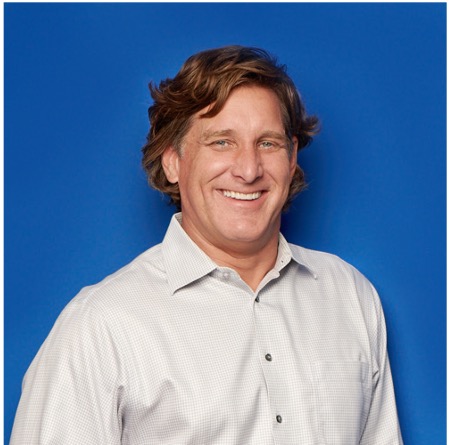
About Charlie Tetrick
Charlie Tetrick is President and CEO of WTA, a Kansas City-based full-service advertising agency serving regional, national, and international clients. A leader in the city’s advertising and business community for more than 30 years, Tetrick has guided WTA through decades of growth while keeping talent, jobs, and economic impact rooted in Kansas City. He serves on the Executive Planning Committee for the FIFA World Cup and has held leadership roles with the Greater Kansas City Chamber of Commerce, the U.S. Air Force 303rd Fighter Wing, the American Royal, Boy Scouts of America, and the American Association of Advertising Agencies.