
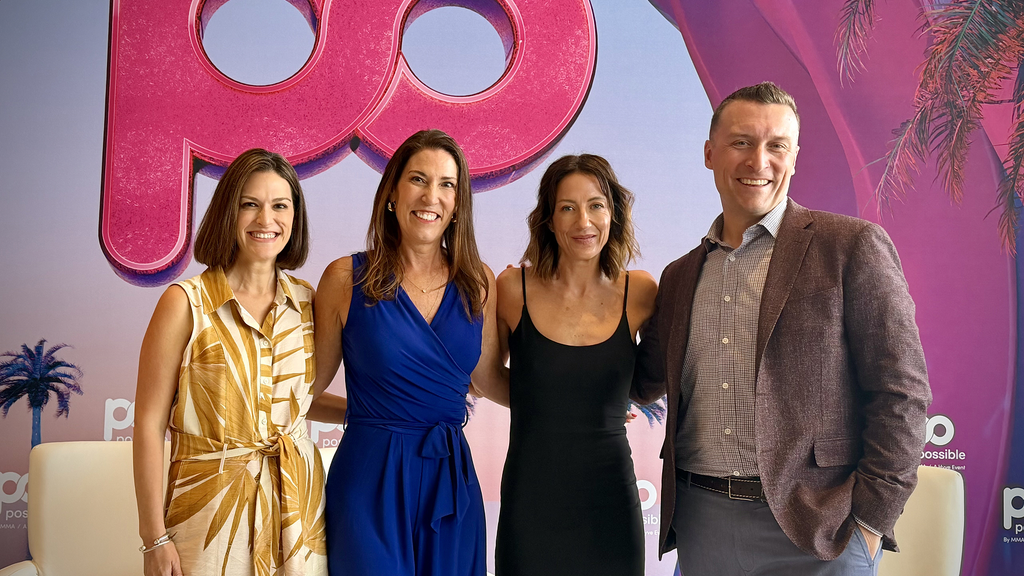
Farra Kober and Angelique Miller discuss how On Location uses personal storytelling to connect travel inspiration with planning and booking.
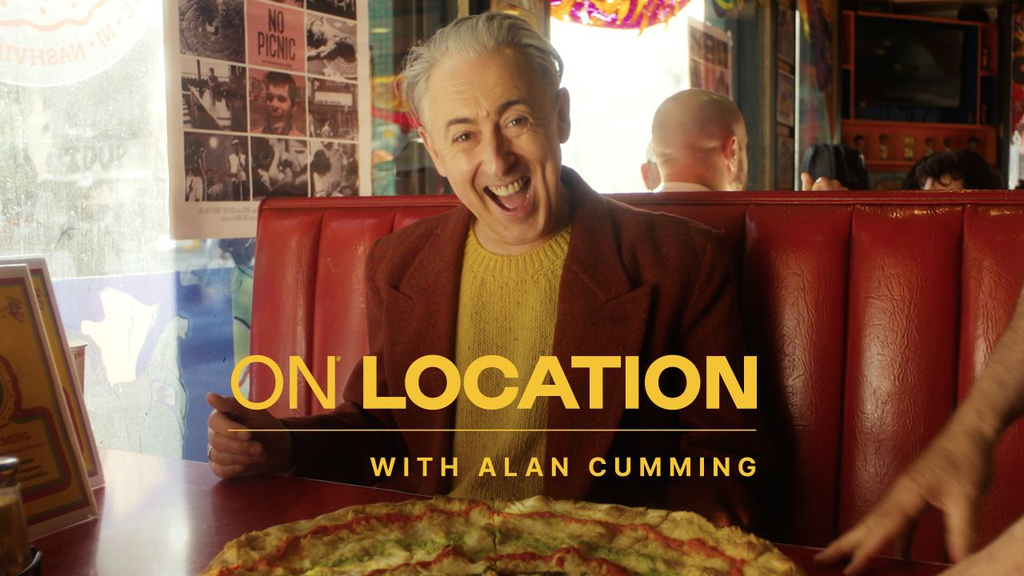
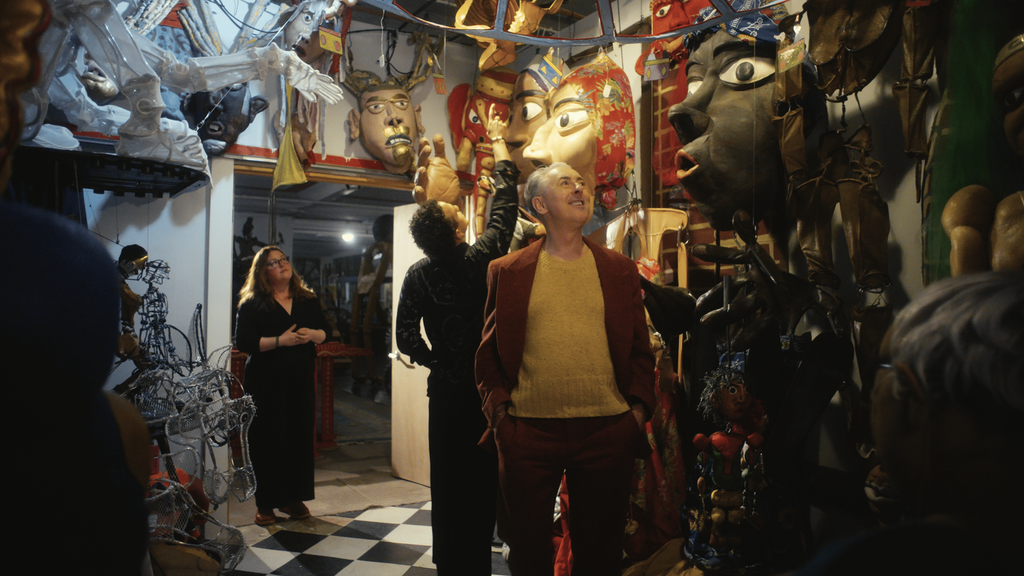
Entertainment can inspire someone to visit a place long before a booking platform enters the picture. The challenge for brands and media partners is connecting that emotional response to useful action without making the story feel engineered around a transaction. On Location, a new series from BBC StoryWorks and Expedia Group, is built around that gap. Its pilot follows actor Alan Cumming through the New York he has known for nearly three decades, using his personal relationship with the city to turn set-jetting interest into an invitation to explore and plan. Behind the series, BBC Studios contributes audience-tested narrative strategy and premium distribution, while Expedia adds traveler-intent data and the infrastructure to follow viewers from inspiration toward itinerary building and booking.
Brand Storytelling caught up with Farra Kober, Vice President of BBC StoryWorks Americas, and Angelique Miller, Vice President of Expedia Group Advertising’s E Studio, to discuss how the partnership uses data to inform the creative and what it will take to make On Location a repeatable model for brand-supported entertainment.
How did the relationship between BBC Studios and Expedia Group Advertising develop, and what did you learn through your earlier work together that convinced you there was an opportunity to build something more ambitious?
Farra Kober + Angelique Miller: We began talking well over a year ago, having worked with similar clients in the past. We found ourselves closely aligned in our belief in the power of brand content when it is executed well and guided by data-backed insights. Then we began to nerd out over the data we each had. We realized that each of us had access to a piece of the traveler journey that the other did not. If we came together across content design, distribution strategy and media, we could reach our combined audiences at scale with stories that move them more predictably from inspiration to action.
At what point did the idea for On Location emerge, and what did each organization bring to the table that made the series possible in a way neither could have accomplished independently?
FK + AM: BBC StoryWorks, the brand content studio at BBC Studios, is the creative engine behind On Location. Its approach to narrative travel storytelling, casting and production is informed by proprietary data and insights from years of brand video studies. Expedia brought first-party traveler data and behavioral insights into where travelers engage, where they frequent and what moves them from considering a location to building an itinerary and booking. Expedia also brought evidence of the cultural phenomenon of set-jetting, including insights around Peaky Blinders. That was the lightbulb moment. We knew we could create a storytelling program where set-jetting was the goal rather than leave it to chance.
What did it take internally to move On Location from an interesting idea to a greenlit entertainment property, particularly when aligning creative ambition, audience data, commercial objectives and distribution?
FK + AM: Two large organizations will always have processes and budgets to align, but we agreed early that this was a 1+1=3 proposition. Together, we could create an ecosystem of business opportunities for other potential partners inside and outside the travel category. The traveler is the ultimate consumer, primed to purchase many products while planning. We rallied around a concept that is exciting for us and offers distinct value to partners we can bring into the ecosystem.
As you look at what you have built together, what does the experience suggest about how media companies, commerce platforms and brands can collaborate to create entertainment that serves the audience first while still delivering measurable business value?
FK + AM: The best partnerships start by deciding what the audience needs and working backward, rather than starting with what each company wants to sell. Each partner should bring something the others cannot. BBC Studios brings the storytelling and the evidence of what makes people feel something and want to take action as a result. Expedia brings an understanding of what travelers do next and the means to help them do it. Brands bring the products and experiences that make a trip happen.
When those pieces are designed together from the beginning, the story does not have to carry the commercial message on its own, and the business value does not come at the audience’s expense. It also means measurement can follow the audience further than a typical campaign allows. That is what makes the model repeatable.
Expedia has an unusually rich view of traveler intent and behavior. What did your data reveal about how entertainment influences travel decisions, and how did those insights directly inform the development of On Location?
Angelique Miller: Our insights reinforce the strength of the set-jetting trend, in which travelers seek out real-world destinations they have seen on screen. Nearly two-thirds of our travelers say that a show they watched influenced a future trip. The opportunity with On Location is to meet that intent with credible, immersive destination storytelling, then make it easier for travelers to explore what they can see and do and decide whether the trip is right for them. We brought together BBC Studios’ storytelling and Expedia Group Advertising’s audience insights, travel media network and commerce capabilities to connect inspiration to useful next steps, always with the traveler as the ultimate consumer.
E Studio sits at the intersection of creative, media, traveler data and commerce. How did you build the internal case that premium entertainment could move audiences from inspiration toward consideration and ultimately action?
AM: We started with the traveler: what sparks their imagination, what questions they have next and what helps them confidently plan a trip. Set-jetting is a powerful example of that journey. A screen location can inspire someone, but the traveler still needs relevant ideas and practical information to turn that interest into a real trip. We believe premium entertainment can earn attention and build an emotional connection, while our travel insights and commerce capabilities make exploration and planning more useful and measurable. On Location is designed to support that journey without interrupting the story or making the destination feel like an advertisement.

As brands increasingly look beyond conventional advertising for deeper audience engagement, what are you hoping to learn from On Location about the role entertainment can play within Expedia Group Advertising’s broader offering to brand partners?
AM: We want to continue learning how entertainment can inspire travelers across the full journey, from the first spark of set-jetting inspiration into the trip itself. The traveler is the ultimate consumer, and their needs extend well beyond booking. During these trip-buying windows, they are choosing what to do, where to eat, what to bring and how to make the most of their experience before, during and even after a trip. That creates an opportunity for brands across categories to show up in relevant, useful ways when travelers are making those choices. We want to help brands connect with these audiences in an authentic and engaging way through programs like On Location.
Once Expedia’s audience insights helped establish the opportunity, how did BBC StoryWorks translate that data into a creative proposition without allowing the data to become overly prescriptive about the story itself?
Farra Kober: We have all seen travel programs across many publishers and networks, but what we know at BBC StoryWorks is that stories of place told through the lens of a person’s lived experience consistently perform better. We need to build a relationship that generates real emotion. Once those emotions are engaged, our data demonstrates a connection to business outcomes including trust, positivity and purchase intent. On average, commercial partners using this approach see a 60% lift in purchase intent after working with us.
We always start with casting. The core priority is to find a central character who is interesting to watch and has a unique, personal connection to the location. In our pilot, that was Alan Cumming. The host needs to be willing to share something that audiences and fans would not otherwise know, moving beyond the public persona and into something personal. It plays into the parasocial relationships we all have, but it is also a way to tell a more authentic travel story.
What creative principles guided the development of On Location, particularly in determining how a participating brand can have a meaningful role while preserving the editorial qualities that make audiences choose to watch premium entertainment?
FK: It comes back to brands that have an authentic place in the story and are willing to let the host’s narrative and perspective ultimately shape the integration. For destination marketing organizations, the fit is straightforward because we are experienced at casting people with relationships to place. For brands outside travel, including credit cards, food and beverage or apparel, there are many ways products can fit organically into a travel story. We can also create additional companion content that speaks directly to products that do not have an authentic place in the host’s journey but are genuinely helpful to travelers inspired by it.
From the BBC Studios perspective, what would make On Location successful enough to become a repeatable model, and what are you hoping its performance teaches you about the appetite for data-informed, brand-supported entertainment?
FK: Performance and interest. We believe in our approach to storytelling. What we are looking forward to learning with Expedia is how far down the funnel we can track audiences from viewing On Location into booking on Expedia and planning the trip itself. Once we have a clearer understanding of the different paths people take, we can craft an ecosystem of content that supports their needs and answers the questions that follow the initial moment of set-jetting inspiration.