

Entering 2026, brand storytelling sits firmly in its second act. The question is no longer whether story belongs in brand strategy, but how it is built, funded, distributed, and sustained in a landscape defined by fragmentation, audience skepticism, and constant change. Creative ambition remains high, but the industry has become far more pragmatic about what it takes to earn attention and trust at scale.
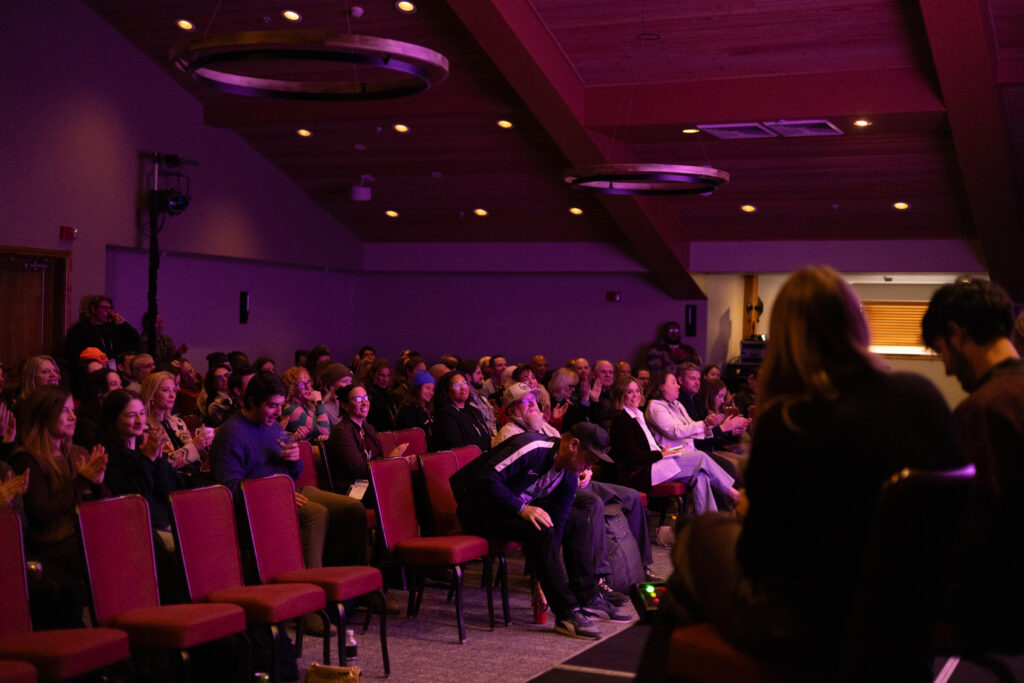
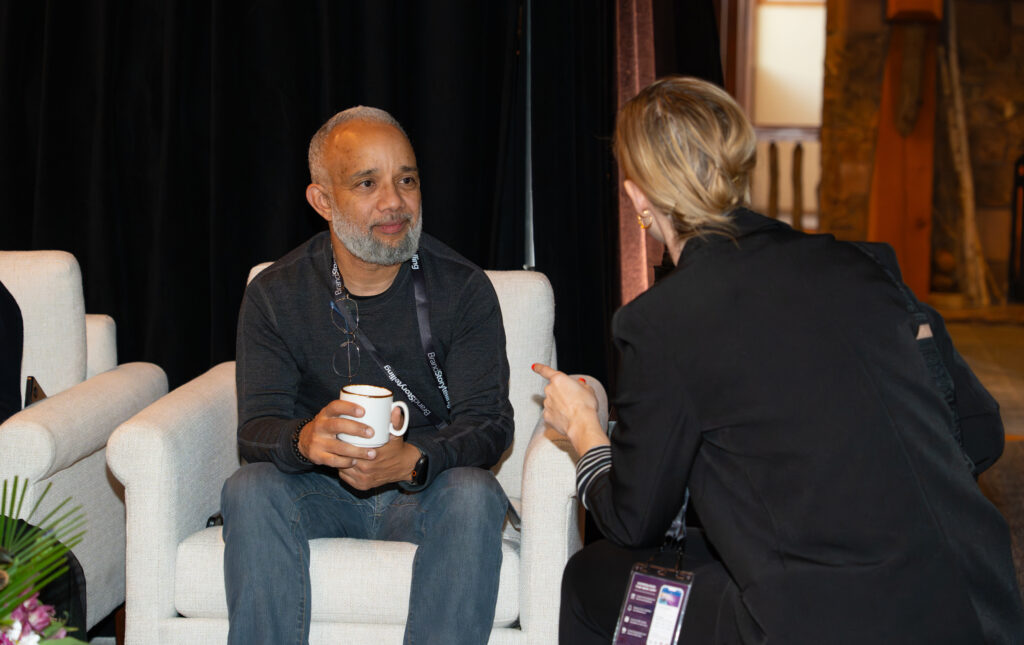
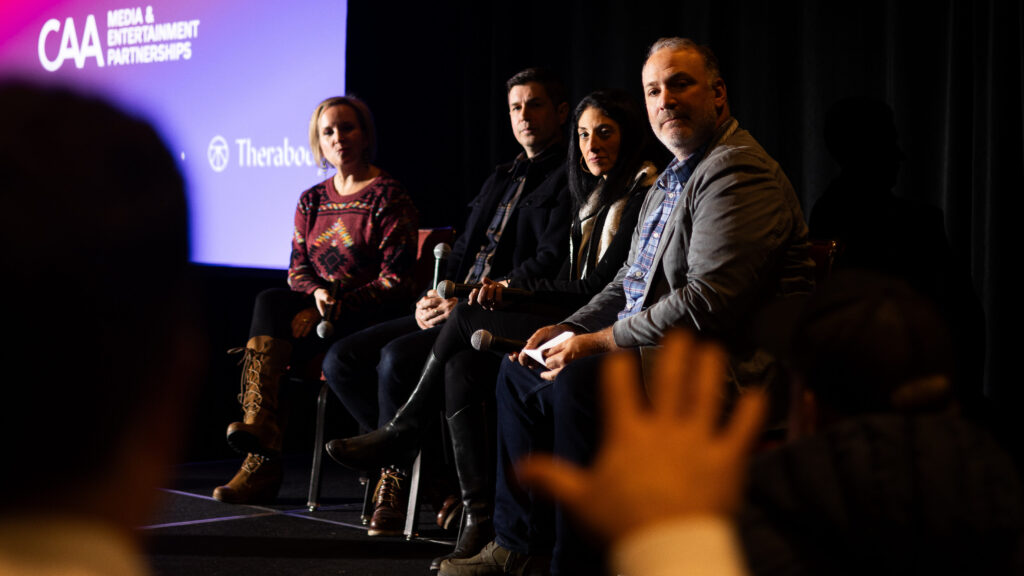
It was within this context that BrandStorytelling convened for its final gathering in Park City, January 21st – 24th at The Lodges, Deer Valley. Over four days, more than 350 brand leaders, filmmakers, creators, strategists, and partners came together for panels, screenings, and conversations designed not just to celebrate the work, but to interrogate how it gets made and why it matters. From Official Selections and awards to candid discussions about risk, partnership, and distribution, BrandStorytelling 2026 reflected an industry increasingly focused on longevity rather than novelty.
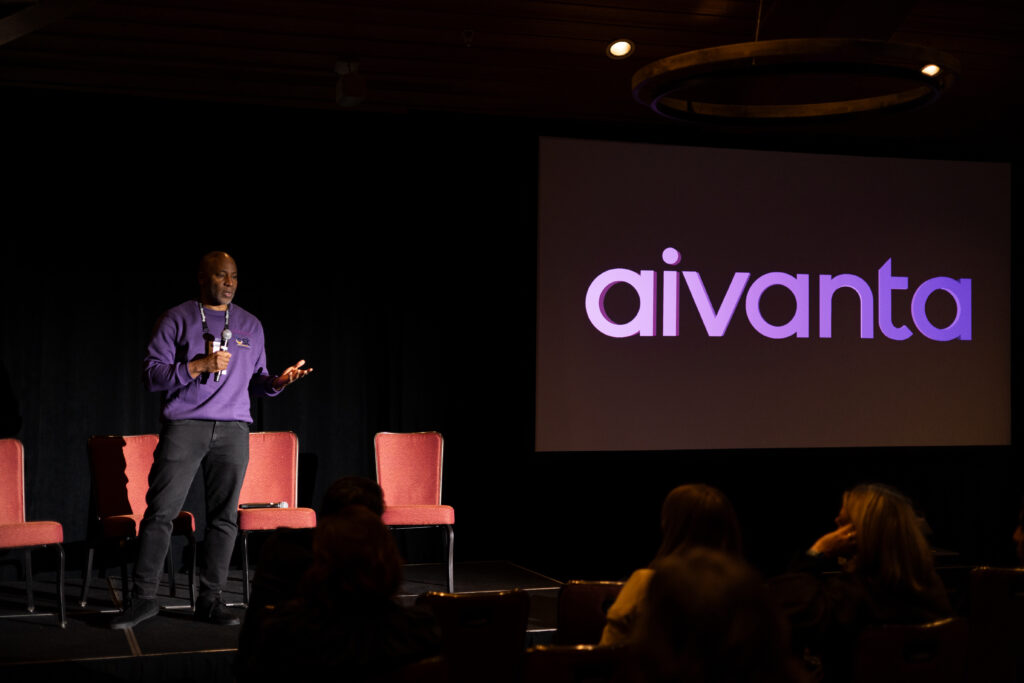
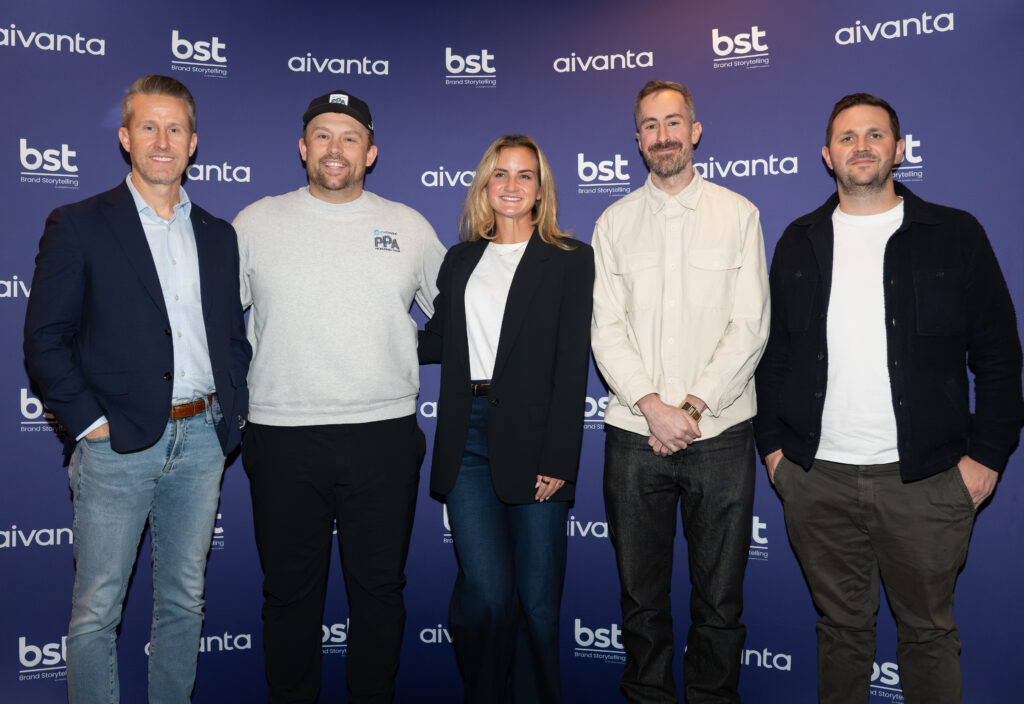
A defining moment of the week came when BrandStorytelling announced its acquisition by Aivanta, sharing the news directly with the community in the room. The announcement marked a meaningful inflection point, signaling a future of expanded investment, continued thought leadership, and deeper infrastructure to support the evolving ecosystem of brand-funded content. More than a corporate milestone, it was an affirmation of the community itself and the belief that this work deserves a durable home.
Conversations and Stories That Defined the Week
The 2026 program brought together voices from across industries, each grappling with how storytelling functions inside modern organizations and cultural systems. A defining moment came from Alyson Griffin of State Farm, who articulated the tension many brand leaders are navigating with a simple truth: “Calculated risk is the price of cultural relevance.” The idea resurfaced throughout the week in conversations about trust, creative ownership, and the realities of building work that must perform both culturally and commercially.
Brands including Northwell Health, the Kansas City Chiefs, Stitch Fix, Southwest Airlines, Marshalls, Carvana, Therabody, Expedia, Duluth, and Maybelline shared how storytelling operates inside complex, high-visibility organizations where decisions carry long tails and missteps are amplified. Rather than positioning storytelling as a singular creative act, these conversations focused on systems: how narratives are designed to move audiences from discovery to action, how content lives across platforms and products, and how early alignment between brand, creative, and distribution partners creates the conditions for flexibility later in the process.
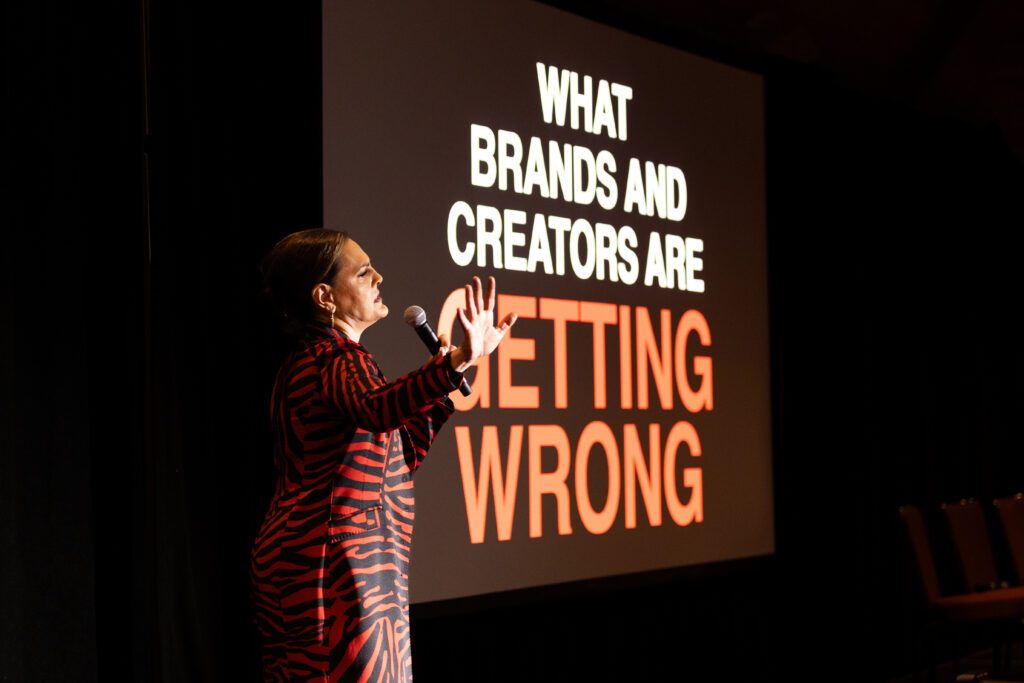
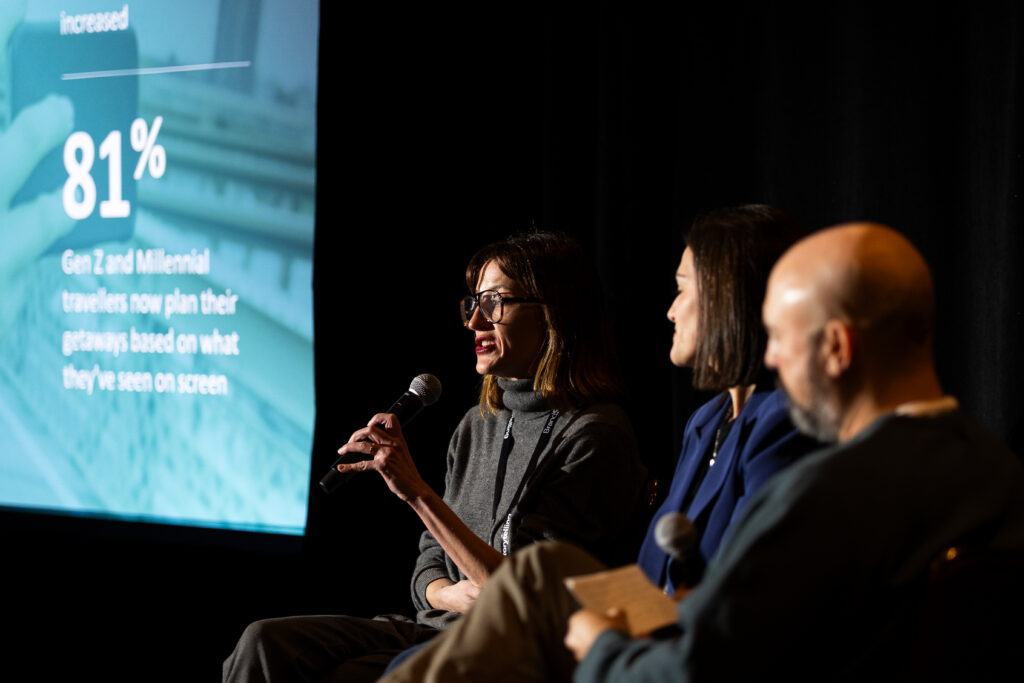
Agency and studio perspectives from Digitas, The Martin Agency, CAA, WPP, Shutterstock Studios, BBC Studios, Iconic Arts, and Artie reinforced that the rules of advertising and the rules of storytelling are not interchangeable. The most effective work, speakers noted, resembles something audiences already choose to watch. That requires clarity of intention, patience in execution, and a willingness to relinquish a degree of control in service of credibility. Across sessions, the emphasis was placed on building durable frameworks that allow creative ambition to endure.
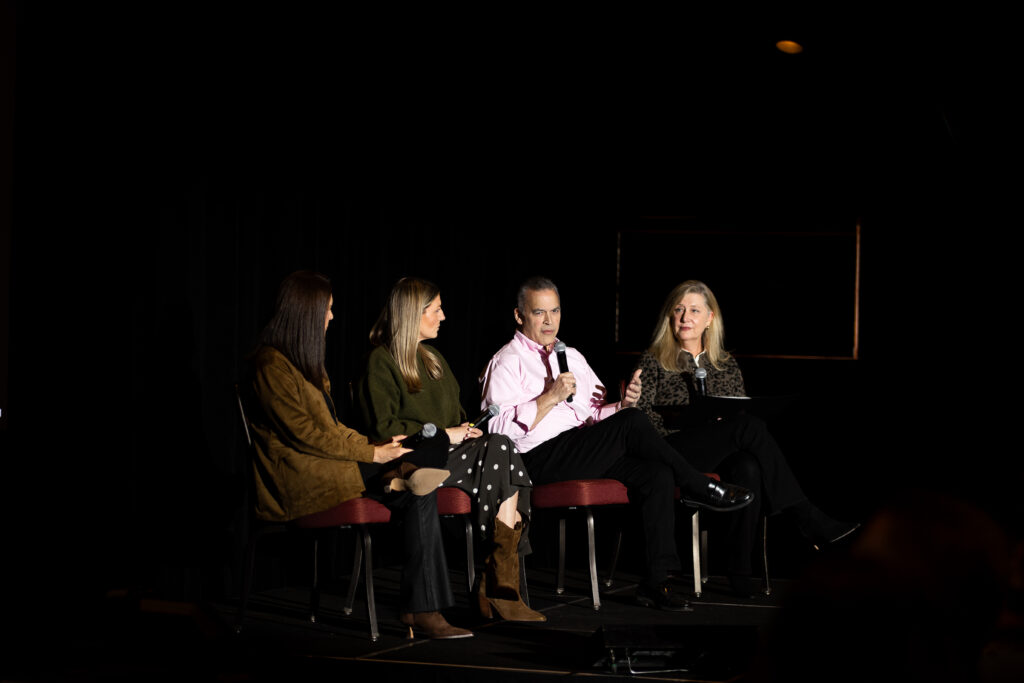
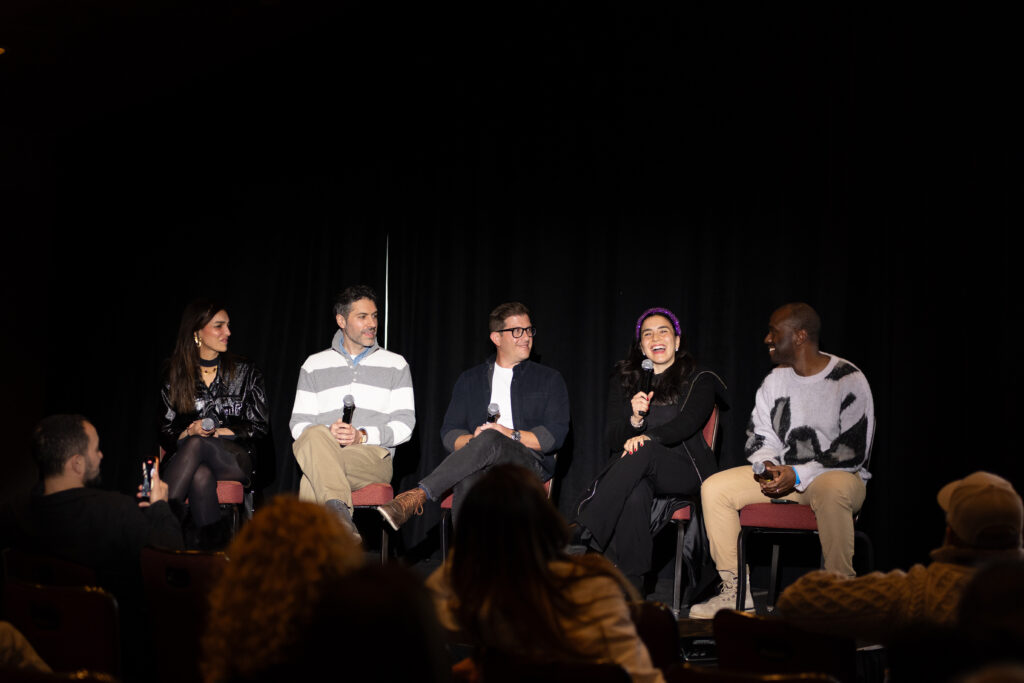
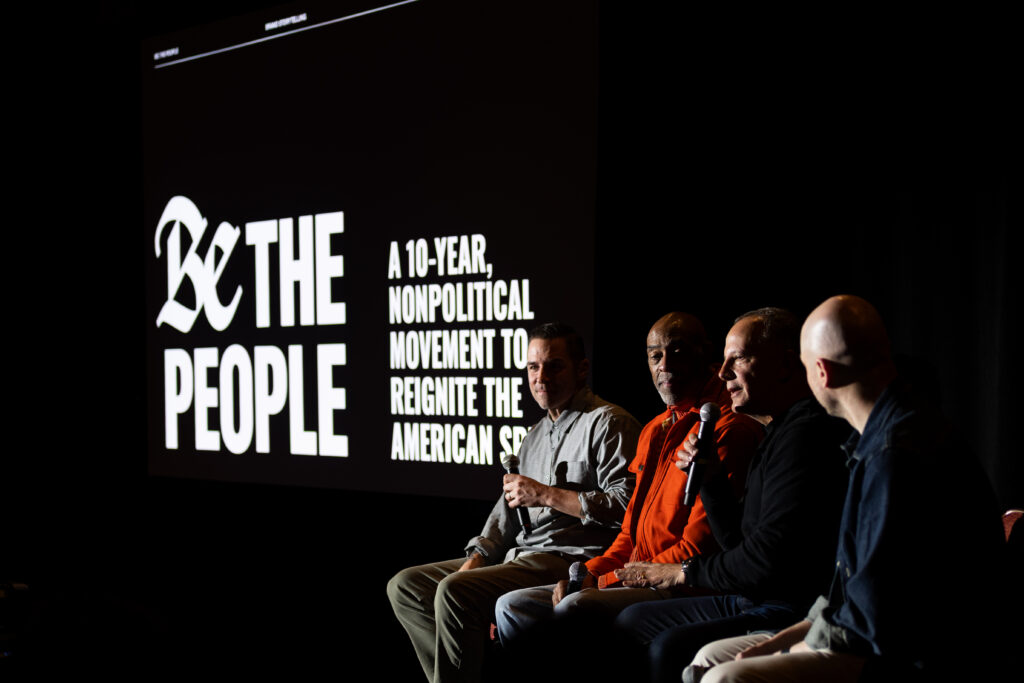
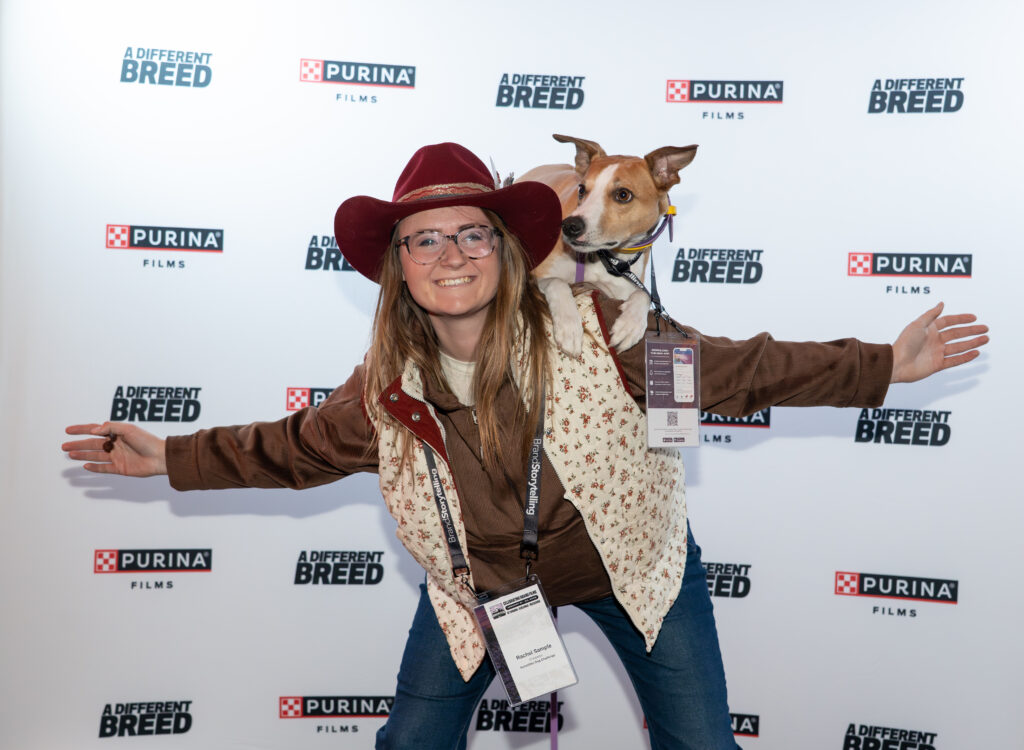
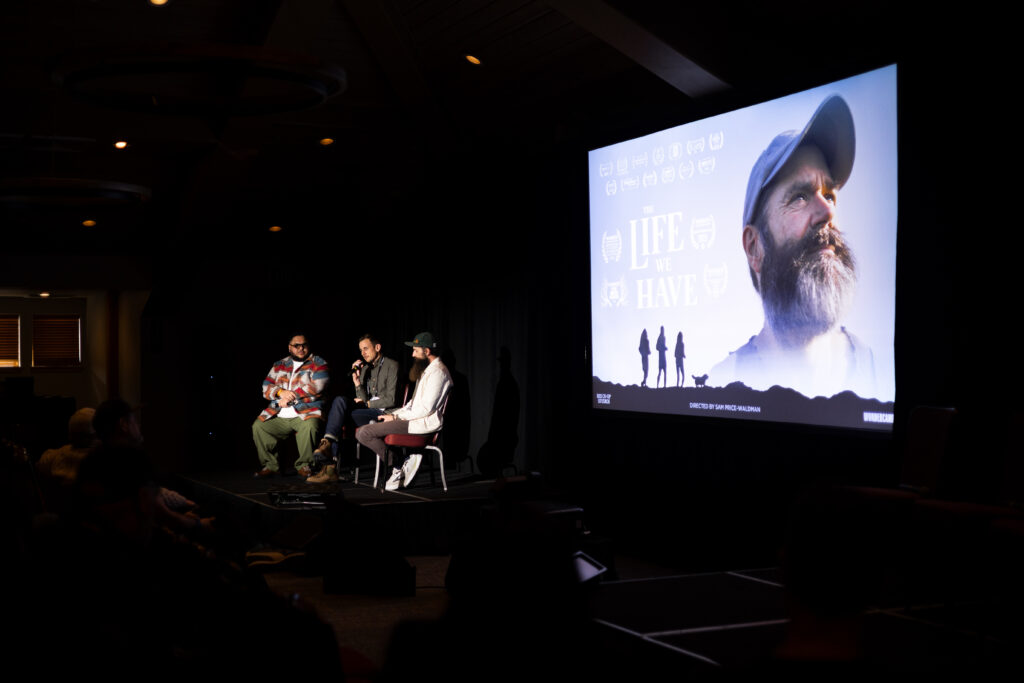
The screenings throughout the week grounded these conversations in tangible work. Films and series from brands including Purina, McDonald’s, The Yogi Foundation, Sephora, REI, Free Fly Apparel, Lenovo, Canary Islands Tourism, and others demonstrated how research, craft, and long-term thinking can turn brand-funded projects into cultural contributions rather than campaigns. Many of the strongest pieces were built with life beyond launch in mind, designed to travel through festivals, screenings, social platforms, and creator ecosystems while continuing to invite audience participation.
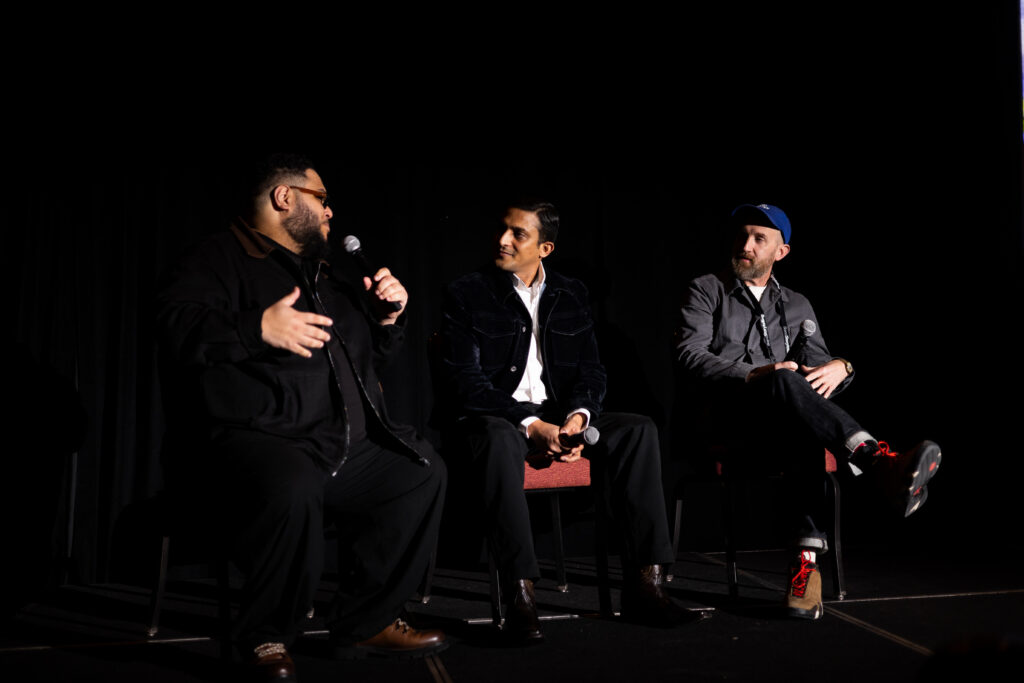
Conversations from Reelshort, Scalable, Ocean Spray, Amazon, Paramount+, AMC, and SiriusXM plumbed the depths of platform spanning traditional and streaming television, podcasts, and vertical formats built for mobile-first audiences. Rather than treating platforms as endpoints, these discussions framed them as distinct environments with their own creative languages, economics, and expectations. The takeaway was not that one model has replaced another, but rather that fluency across platforms has become essential, with the most effective strategies meeting audiences where they already are while remaining flexible enough to evolve as viewing habits continue to shift.
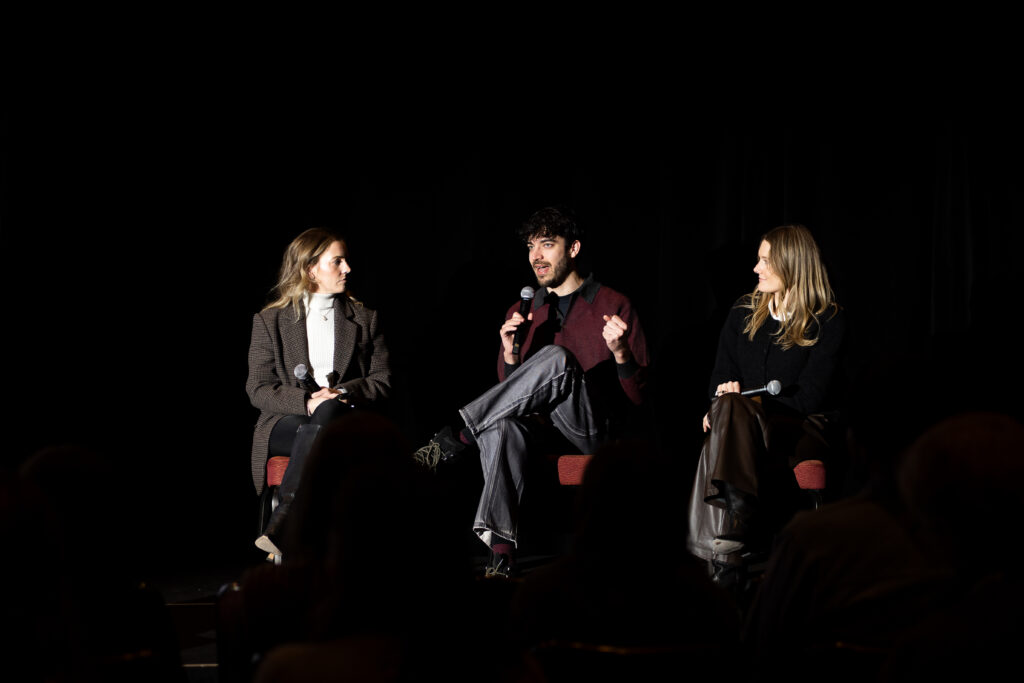
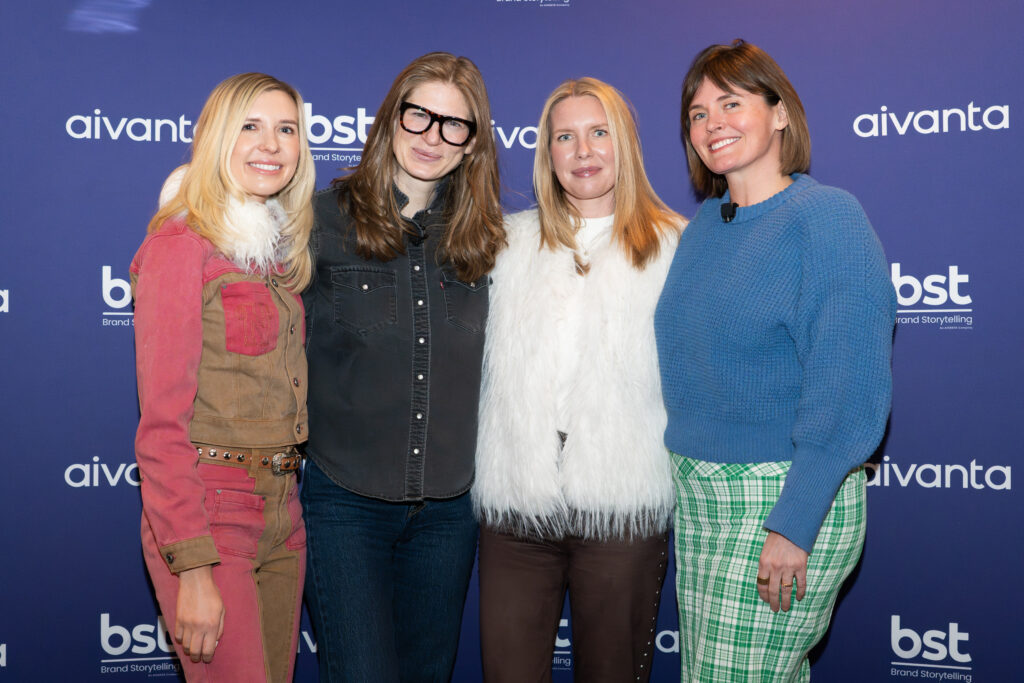
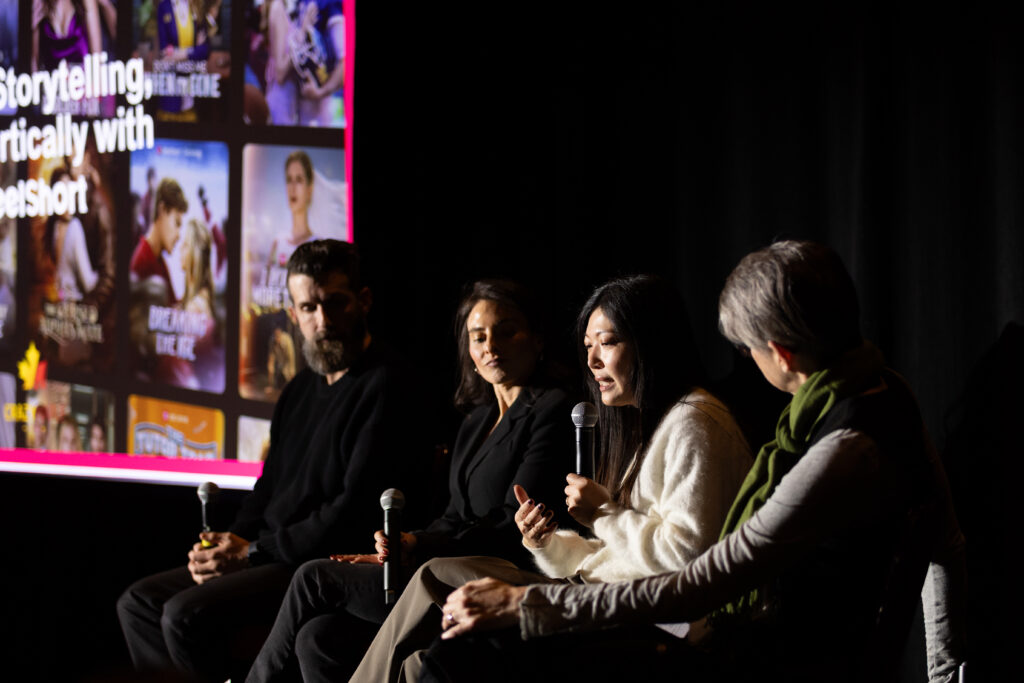
Together, the conversations and work presented reflected a category in transition. Brand storytelling has moved beyond experimentation and into practice, shaped by organizations willing to plan holistically, partner deliberately, and accept that meaningful outcomes often emerge when not every variable can be controlled.
Honoring the 2026 Official Selections
This year’s Official Selections and awards celebrated excellence across disciplines and formats, honoring work that demonstrated craft, clarity, and cultural impact:
- Director Award: A Una Isla de Ti (An Island of You) – Canary Islands Tourism
- Brand Award: Faces of Music – Sephora
- Jury Award: The Theory of Spice – The Yogi Foundation
- Producer Award: Dream Boats – Free Fly Apparel
- Creator Award: Lenovo x Intel Present: #CreatorOdyssey – Lenovo
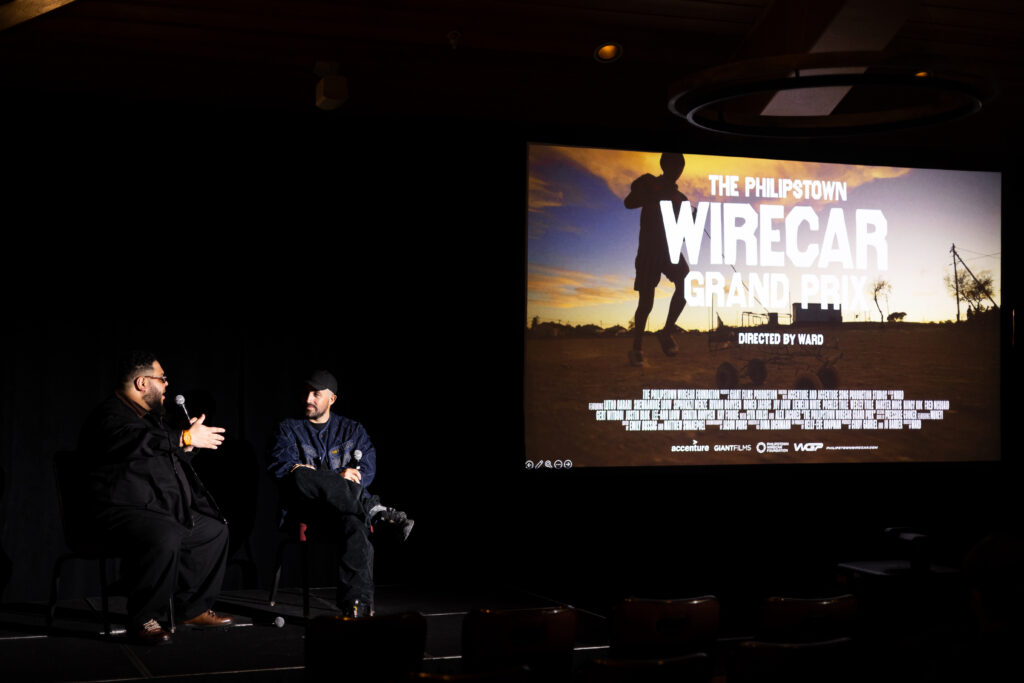
- Impact Award:The Philipstown Wirecar Grand Prix – The Philipstown Wirecar Foundation
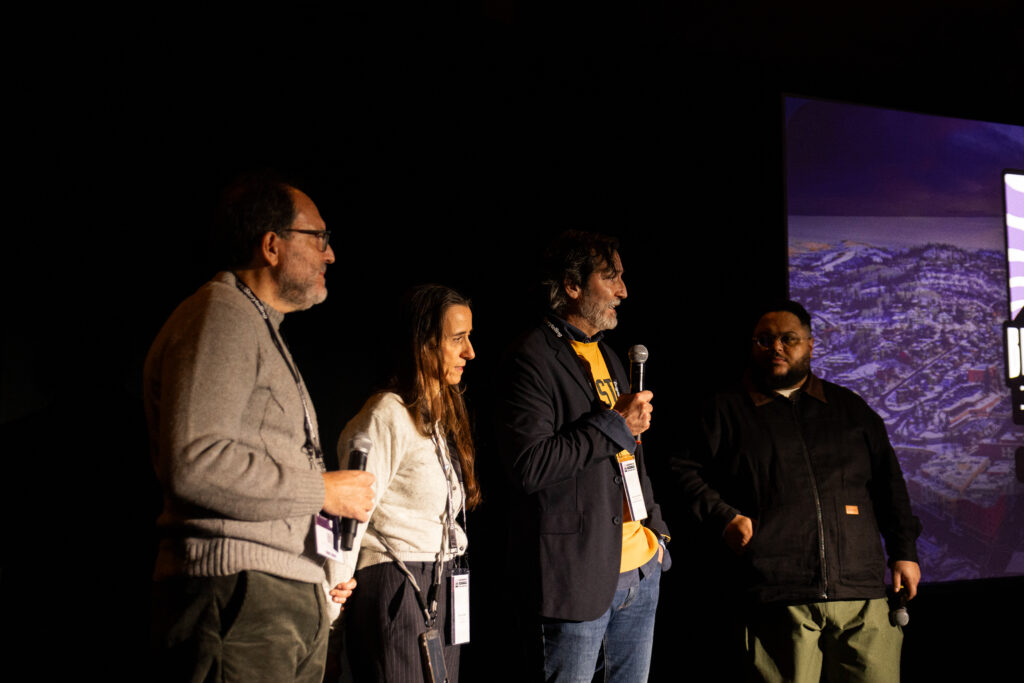
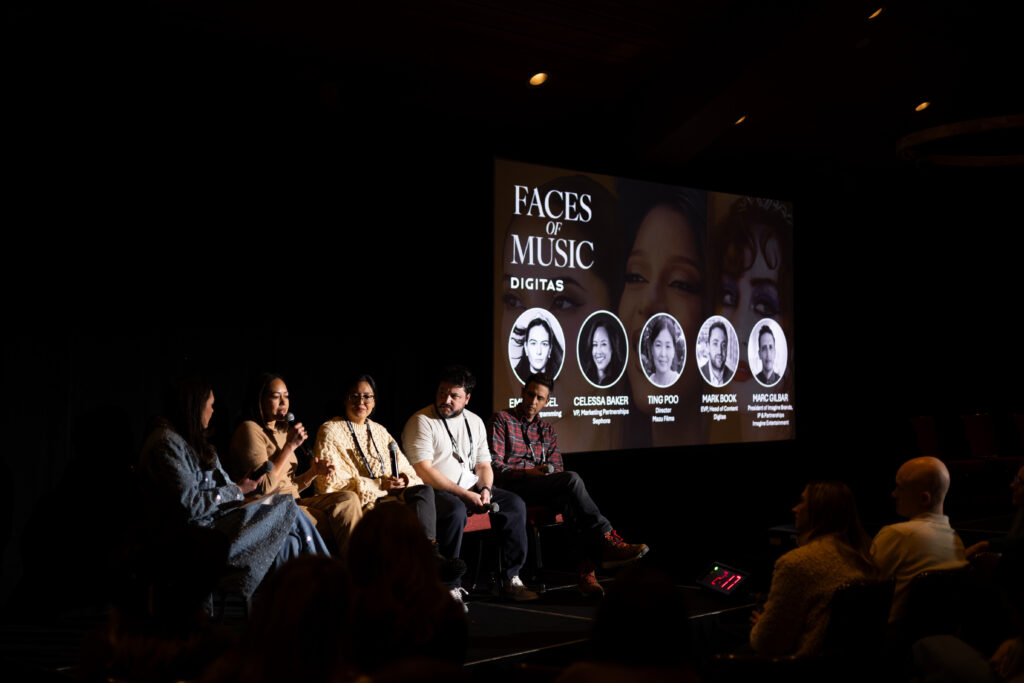
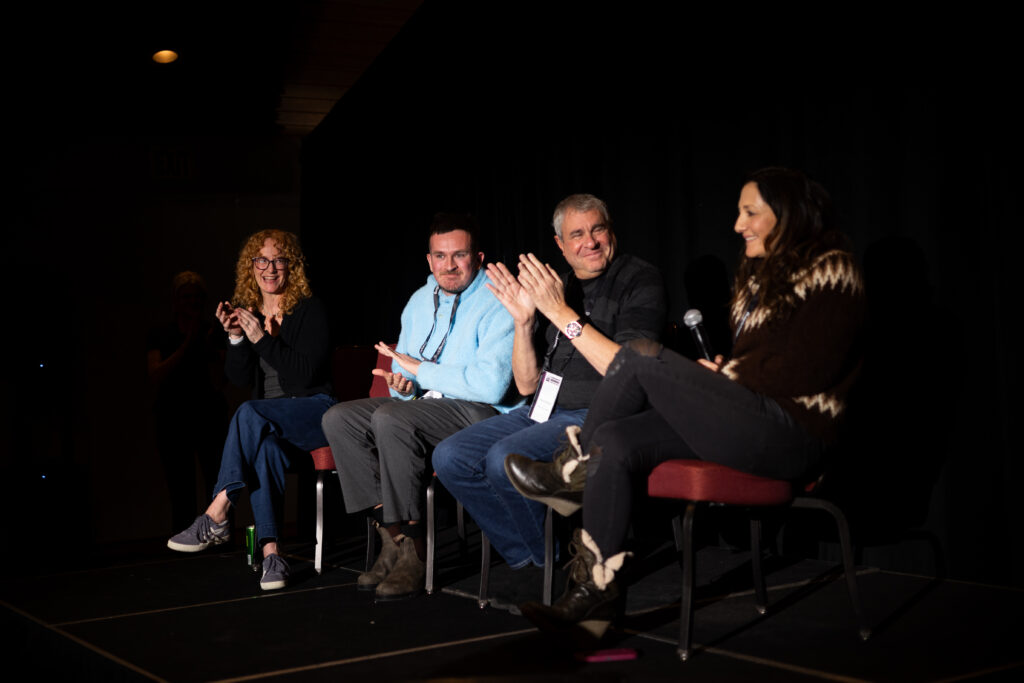
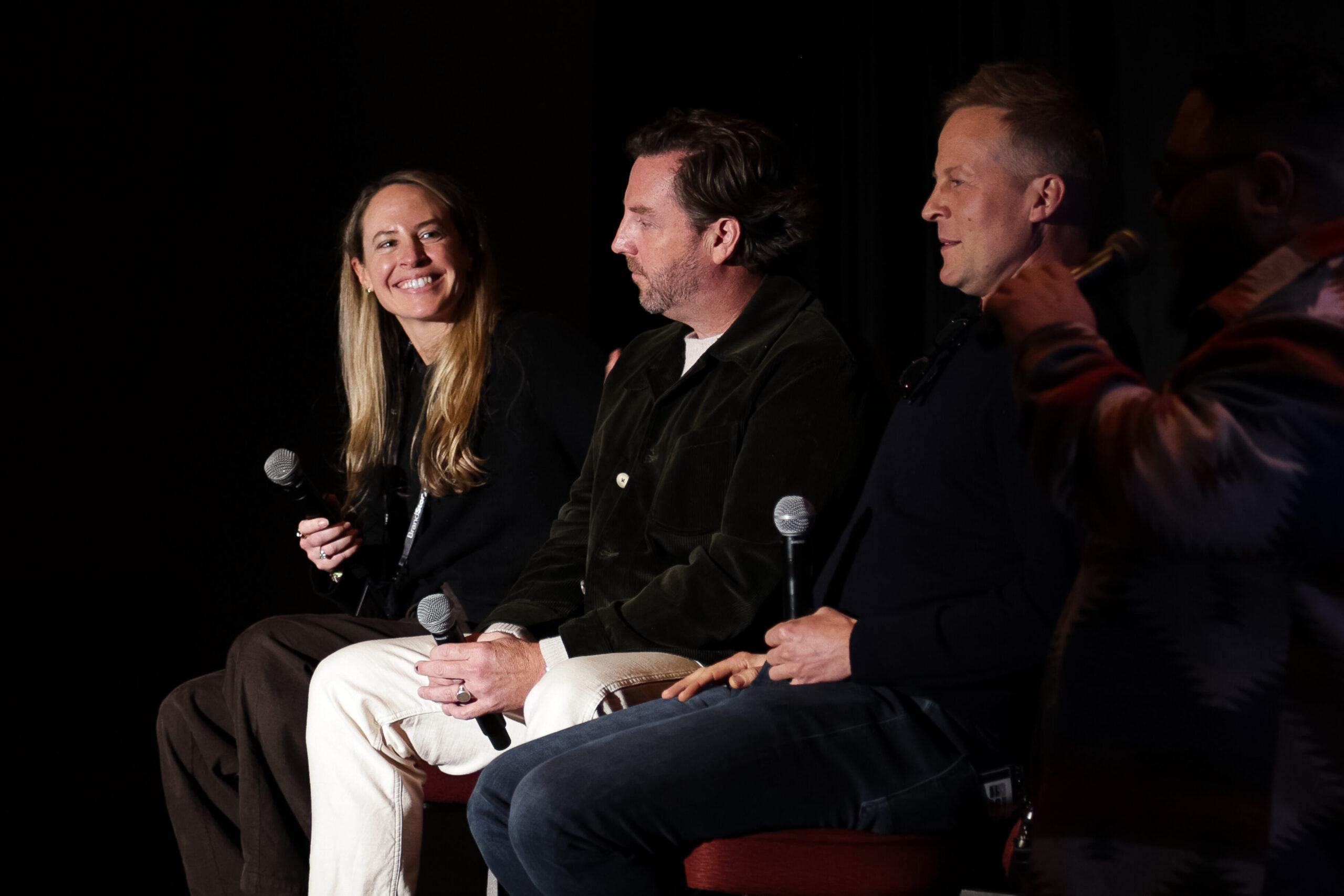
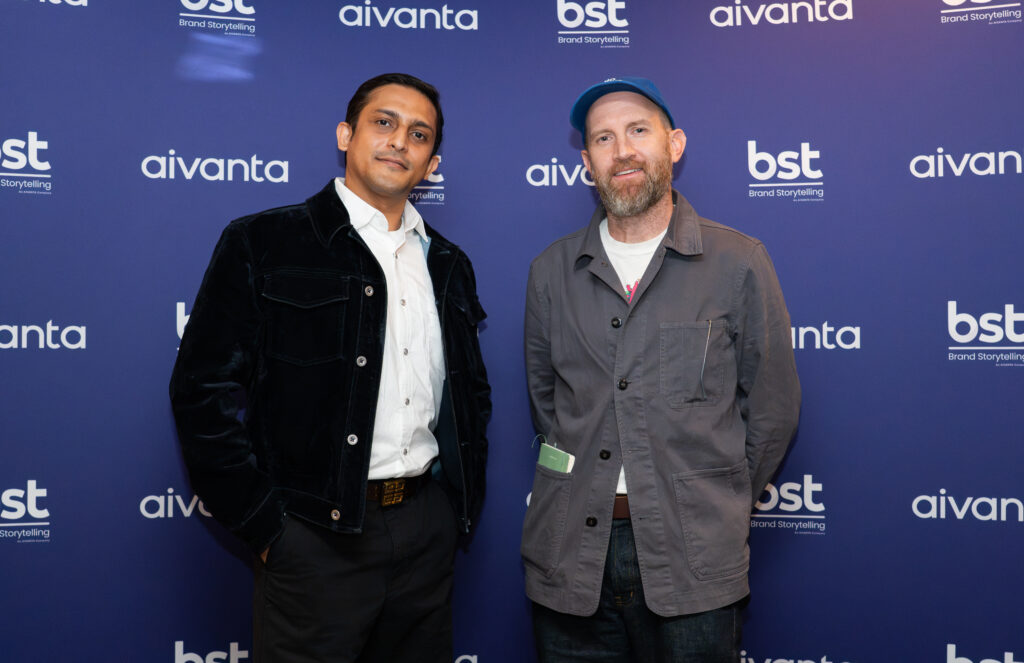
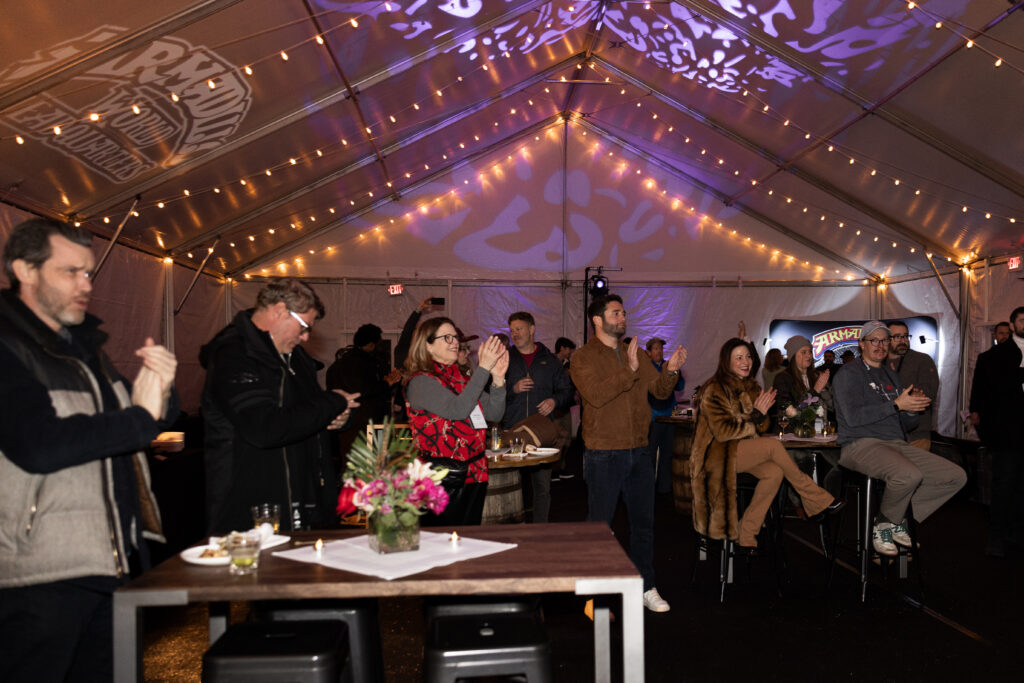
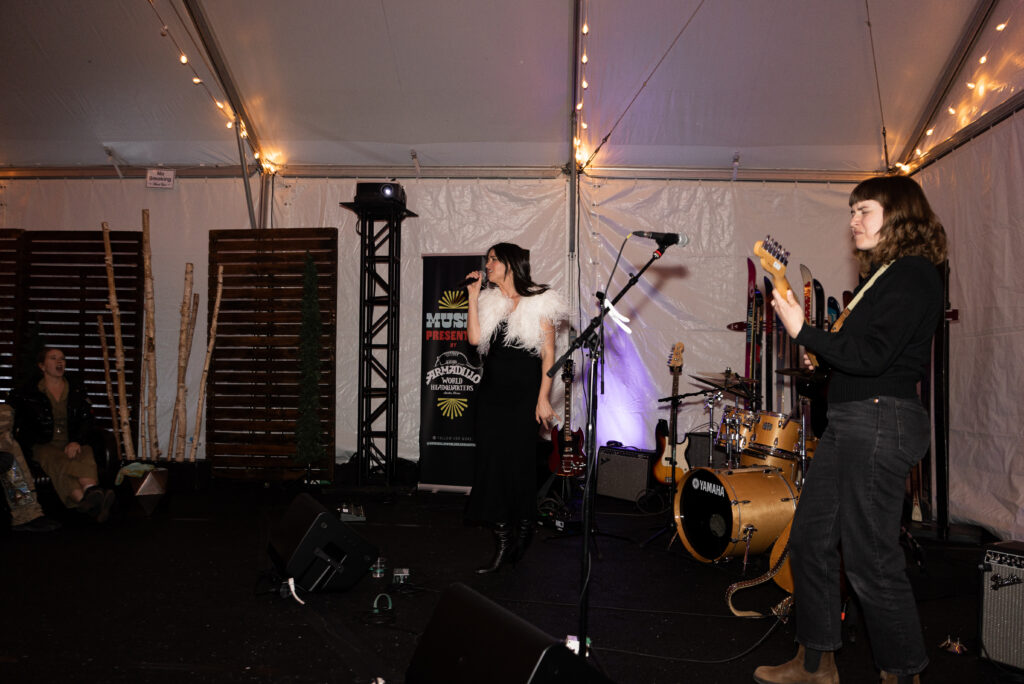
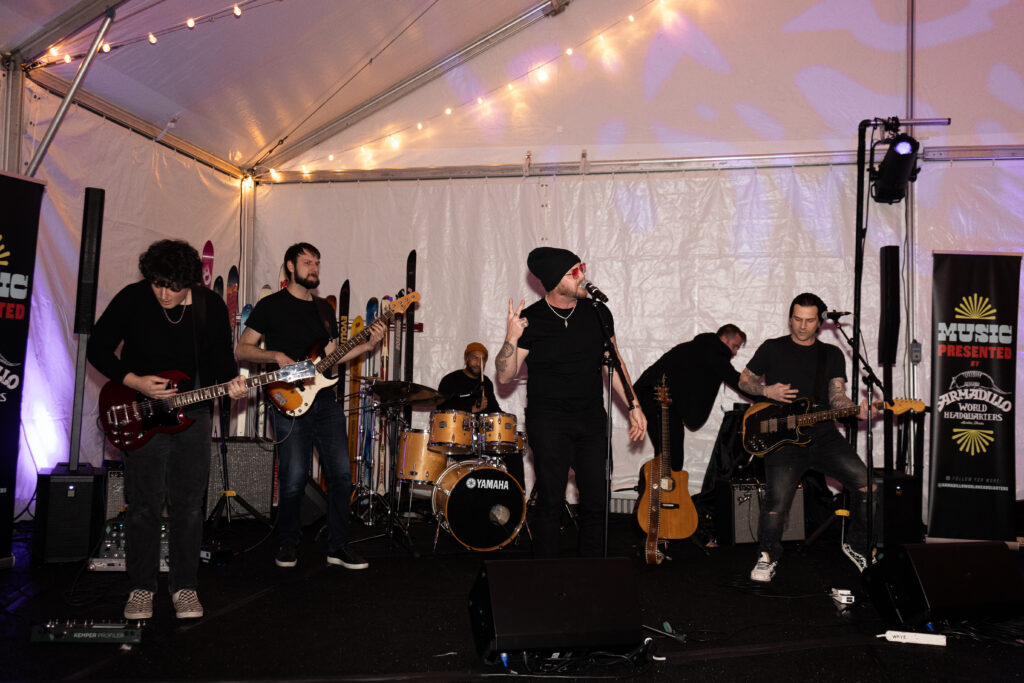
The week’s celebrations continued beyond the stage with receptions hosted by McCann and Purina, before closing with BrandStorytelling’s final Park City celebration. Presented by Armadillo World Headquarters and featuring performances by Rozzi and Travis Bolt, the evening served as both a send-off and a celebration of the community built over more than a decade.
Key Takeaways from the Stage and the Hallways
Calculated Risk as a Practice
Calculated risk emerged as both a mantra and a methodology. Brands with demonstrably successful work consistently pointed back to holistic strategy built at the outset of a project. This extended beyond the brief itself by planning for creative flexibility while surrounding that freedom with clear, goals-driven guardrails. Distribution decisions, audience response mechanisms, and long-tail life cycles were treated as foundational rather than secondary. The remaining risk lay where it always does: relinquishing control to creators, embracing non-fiction unpredictability, and allowing work to evolve. When those risks are planned for, they become assets rather than liabilities.
Specialist Partners Make the Difference
Authentic work is never accidental. Speakers reinforced that storytelling is about establishing audience trust and connectivity by achieving high levels of both relatability and emotionality. That requires specialist partners with experience across entertainment, from ideation through distribution. And while trust with audiences is built through fostering emotion, trust between storytelling partners is built through clarity, with each party understanding not only what they want from a project, but what they need to succeed. When that alignment exists, the work meets both audience standards and business objectives without compromise.
The Future Is Already Here
Perhaps the most notable shift was confidence. Many brands shared that storytelling is no longer a side project, but an institutionalized system within their organizations. Others spoke candidly about projects that evolved dramatically or required major pivots, in which preparedness itself was framed as success. Planning for contingency early is becoming standard practice, signaling a future in which storytelling models are built for repeatability, scale, and long-term impact.
An Ending and a Beginning
BrandStorytelling 2026 marked the end of an era in Park City and the beginning of a new chapter as part of Aivanta. What emerged over four days was not fleeting momentum, but a steadier confidence grounded in experience. The conversations pointed toward a future shaped less by hype and more by intention, partnership, and systems built to last.
As BrandStorytelling enters its next phase, the work ahead is clear. To continue convening the people and ideas that define the category, to hold space for honest conversation about what works and what does not, and to support an industry that understands storytelling not as an experiment, but as an essential, evolving practice.
Leave a Comment