
The relationship between creators, brands, and studios is still finding its footing. Creators have migrated to the center of audience attention, and the brands looking to move beyond sponsorship into meaningful participation are still navigating how to get there, trying to find harmony between a creator’s unique command of their personal brand and the strategic, reputational needs of their own. Meanwhile, entertainment companies, correctly responding to the dissolution of barriers between platforms, formats, and content types, are pursuing new ways to develop IP that arrives with built-in audiences. Opportunities abound, but building something durable across these very different worlds remains its own distinct challenge.
Convergence and Echobend are addressing that challenge by approaching it as a strategic and creative opportunity. Their newly announced partnership brings together Convergence’s creator strategy, venture mindset, and brand ecosystem with Echobend’s cinematic production and creative development engine, creating a unified model designed to move ideas fluidly from social storytelling to large-scale entertainment projects.
Brand Storytelling caught up with Convergence founder Charles Ifegwu and Echobend leaders Zubin Anklesaria and Ryan Turner to discuss how the creator economy is maturing, what brands still misunderstand about working with creators, and why the future of modern media may depend on building integrated ecosystems where creators, studios, and brands are developing stories together from the very start.
Where is the creator economy maturing right now, and what are brands still fundamentally misunderstanding about working with creators?
The most important shift happening right now is that the audience conversation starts with creators. Not long ago, creators were an add-on to a broader media plan. Today, they are often the entry point to culture, community, and attention itself. The center of gravity has moved.
Where brands still get it wrong is control. The brands winning in this era understand that creators are not just distribution channels, they are architects of trust. You cannot rent authenticity and then suffocate it with over-engineered messaging. The imperative now is to create a strategic framework that serves the brand objective while giving the creator real space to operate inside their voice. That balance is not a luxury. It is the difference between relevance and irrelevance.
The other major unlock is that creator reach no longer lives inside a walled social garden. We are in a moment where creator-led storytelling can and should travel. Brands should be thinking about how ideas originate in a creator’s world and then expand into other media formats, platforms, and environments. That may mean taking the creator outside of their traditional distribution channel. The brands that understand this are not buying posts. They are building modern media with creators at the center.
How does Convergence’s venture and strategy lens expand brand opportunities beyond what a traditional talent management company can offer?
Management, for us, is not the product. It is the infrastructure.
We believe every serious creator represents a 360-degree monetization opportunity, not just a series of brand deals. The reason our management practice exists is because too many promising creators are surrounded by teams that are thinking transactionally, not architecturally. We are thinking about IP, equity, recurring revenue, enterprise value. That is a different lens.
Because we operate with venture DNA and production capability, we are not limited to “social content.” We are building media properties. We are developing creator-led formats. We are partnering with brands and studios to create the next wave of mass market IP. When you combine strategy, production, brand partnerships, and distribution thinking under one roof, you stop reacting to briefs and start shaping the future of media itself.
That is what expands the opportunity set.
In practical terms, what does bridging the creator economy with the entertainment industry unlock that wasn’t previously possible?
The entertainment industry is in a moment of recalibration. The ground is shifting because the holders of audience and attention have changed. A new generation does not discover talent through casting announcements. They discover it through feeds, communities, and serialized creator storytelling.
Bridging these two worlds unlocks a more efficient and more culturally aligned path to building IP. Studios gain access to pre-assembled, deeply engaged audiences. Creators gain the infrastructure to scale beyond the limits of platform algorithms. Brands gain entry into stories that already have momentum.
For the first time, you can bring a built-in marketing engine to a piece of entertainment before it ever launches. That was not the case before. Now it is table stakes.
What excites you most about applying cinematic craft and high-level storytelling to creator-led and brand-driven ideas?
Right now there’s just a ton of noise. Everyone’s making content. Phones, platforms, constant output. It’s nonstop. So the real question is: how do you actually break through?
It comes down to craft. Real intention. Not just pointing a camera and hoping it works, but thinking through every shot, every beat, every moment. Elevating the look. Making it feel bolder. Ensuring the story actually sticks with you.
We want someone scrolling to stop and go, “Wait… what is this?”
At Echobend, we always say the work should hit the mind, the heart, and the soul. If we’re doing it right, it’s not just visually impressive. It’s emotionally resonant. And it’s saying something.
What really excites us is when you combine two different kinds of mastery. Creators who truly understand their audience and have built that trust from scratch. And storytellers who’ve spent their lives obsessing over craft. When those two things meet, there’s real energy there. It lifts the brand. It lifts the creator. And it lifts the work.
At the end of the day, art is about connection. If we can bring everything we’ve learned in production, post, VFX, commercial strategy — all of it — and pair that with creators who already resonate deeply with an audience, that’s a powerful combination.
That’s the future we’re excited about.
How does being integrated upstream with talent and commercial strategy strengthen Echobend’s creative and production advantage?
We believe being integrated from top to bottom is one of our greatest strengths. While a lot of the industry is moving toward remote, we moved toward proximity. We have four buildings on the east side of Los Angeles where all departments of Echobend function — creative, production, post-production, finishing, sound, color, etc. Everything under one roof.
That’s a competitive advantage because it’s not a relay race. It’s not one team handing something off to a completely separate team and hoping it lands. We’re able to see problems ahead of time. We can spot a VFX issue while we’re still developing the creative. We can anticipate production challenges before we’re on set. That kind of foresight only happens when everyone is connected from the beginning.
A lot of the beauty of creativity happens in the in-between moments, in proximity to other creatives. We’ve built an environment where there aren’t walls between departments. If someone has a question for VFX, they walk over. If editorial needs to weigh in, they’re right there.
What it ultimately means is that everyone is chasing the same thing: making the best possible project, fully integrated from end to end. We’re a team of Swiss Army knives. We bridge the gaps between departments because, at the end of the day, all of those departments are serving the same goal: making the best work possible.
What determines whether an idea should remain native to social platforms or expand into long-form IP, series, or film?
Different platforms expect different things. On some, audiences want efficiency and constant movement. On others, they want immersion. But even in long form, people still value intention. They don’t want bloated storytelling. They want something that earns their time.
We love applying the discipline of commercial storytelling to everything we do. A great 30-second spot is dense. Every second matters. We bring that same mindset to longer narratives. What’s the most powerful way to tell this story? What actually needs to be here? From there, it becomes a conversation with the audience.
You can’t predict what’s going to break through.It’s always shifting. So instead of chasing that, we focus on quality. We focus on making the best project possible and trusting that our taste will connect. If something resonates deeply with a wide audience, then we ask if it has legs for longer form. And sometimes longer form builds the audience itself. The platforms feed each other. Short form can expand a world. Long form can deepen it.
At the end of the day, it’s iteration. Listening. Refining. But the constant for us is intention.
What specifically is broken in the current relationship between creators, brands, and studios that made this partnership necessary?
We would not call it broken. We would call it under-realized.
Brands have been buying media around culture for years. What they increasingly want now is to live inside the content that defines culture. They do not want adjacency. They want integration. They want to be unskippable because they are part of the story itself.
Creators, on the other hand, are pushing beyond the confines of social boxes. Many are proving they can succeed outside of the platforms that made them famous. Studios and media companies are chasing sticky audiences and are looking for partners who can help de-risk development while accelerating audience acquisition.
When you connect those dots intentionally, everyone wins. Brands get cultural fluency and performance. Creators expand into durable IP. Studios get built-in audiences and brand-aligned financing. That alignment is not theoretical. It is operational. And when done right, it is a win for all three.
When you talk about building a “media ecosystem” rather than a campaign, what does that actually change for a brand in terms of strategy and long-term value?
A campaign has a start date and an end date. An ecosystem compounds.
In a world where every channel touches every other channel, the ability to expand quickly from one signal of audience response is everything. When you build a media ecosystem, you are not producing a single output. You are building a universe of content designed for testing, extension, iteration, and long-term audience cultivation.
This changes strategy fundamentally. Instead of asking, “How does this perform this quarter?” you ask, “How does this build an owned narrative over time?” The brand becomes a participant in culture, not a guest.
The long-term value is not just impressions. It is equity. It is recurring engagement. It is the ability to launch the next initiative from an existing base of trust rather than from zero.
How does this unified model ensure creative authenticity while still delivering measurable commercial performance?
Authenticity is not an accident. It is a system.
When strategy, creative development, data, creator insight, and world-class production are operating in alignment, authenticity becomes baked into the process. We start with audience truth. We build with creator voice. We validate with data. We execute with production that respects both brand standards and entertainment value.
There is a throughline from beginning to end. That is what protects authenticity while delivering performance.
We are creating what the present demands with an eye toward what the brand and entertainment ecosystems of tomorrow will require. That forward-facing conviction is what allows us to deliver work that feels culturally real and commercially effective at the same time.
What is one thing all brands should think about when looking to optimize the success of their partnerships with creators and studios?
Be prepared to build something better than yesterday.
The goal is not to replicate last year’s format with a new face. It is to win with new audiences through content that feels native to how they consume today. That requires a shared understanding that some control will be asserted and some will be surrendered. That is part of modern collaboration.
High fidelity production still matters. Storytelling never disappears. But it may look different. Awareness to conversion may happen faster. Community may matter more than reach.
The brands that win will be the ones that understand this is not about buying exposure. It is about co-creating the future.
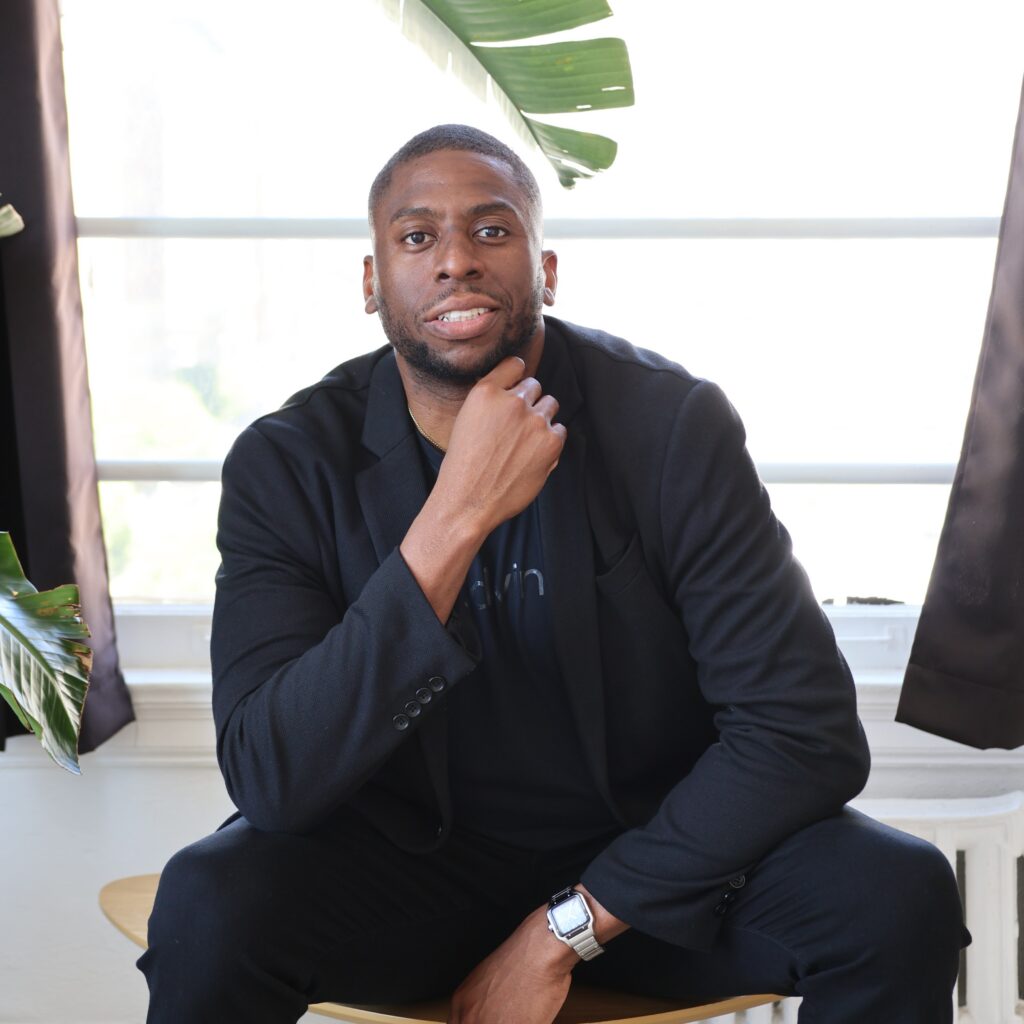
Charles Ifegwu is the Founder and CEO of CONVERGENCE, a leading creator media, management, and venture studio, and the founder of Converge @, a global speaker series featuring some of the leading voices in brand, media, and the creator economy. A veteran media and creative executive with nearly two decades of experience spanning entertainment, creator strategy, and brand marketing, Charles has led work across major studios and global brands, building and scaling creator-led systems that turn cultural energy into measurable growth. Across brand, agency, and collaborative media functions, he has structured multi-stage strategies that have driven consistent value for hundreds of partners ranging from fast-scaling startups to the Fortune 100. Known for metric-driven execution and a forward-thinking approach to an ever-evolving digital and media landscape, he brings operational rigor and creative ambition to everything he builds.
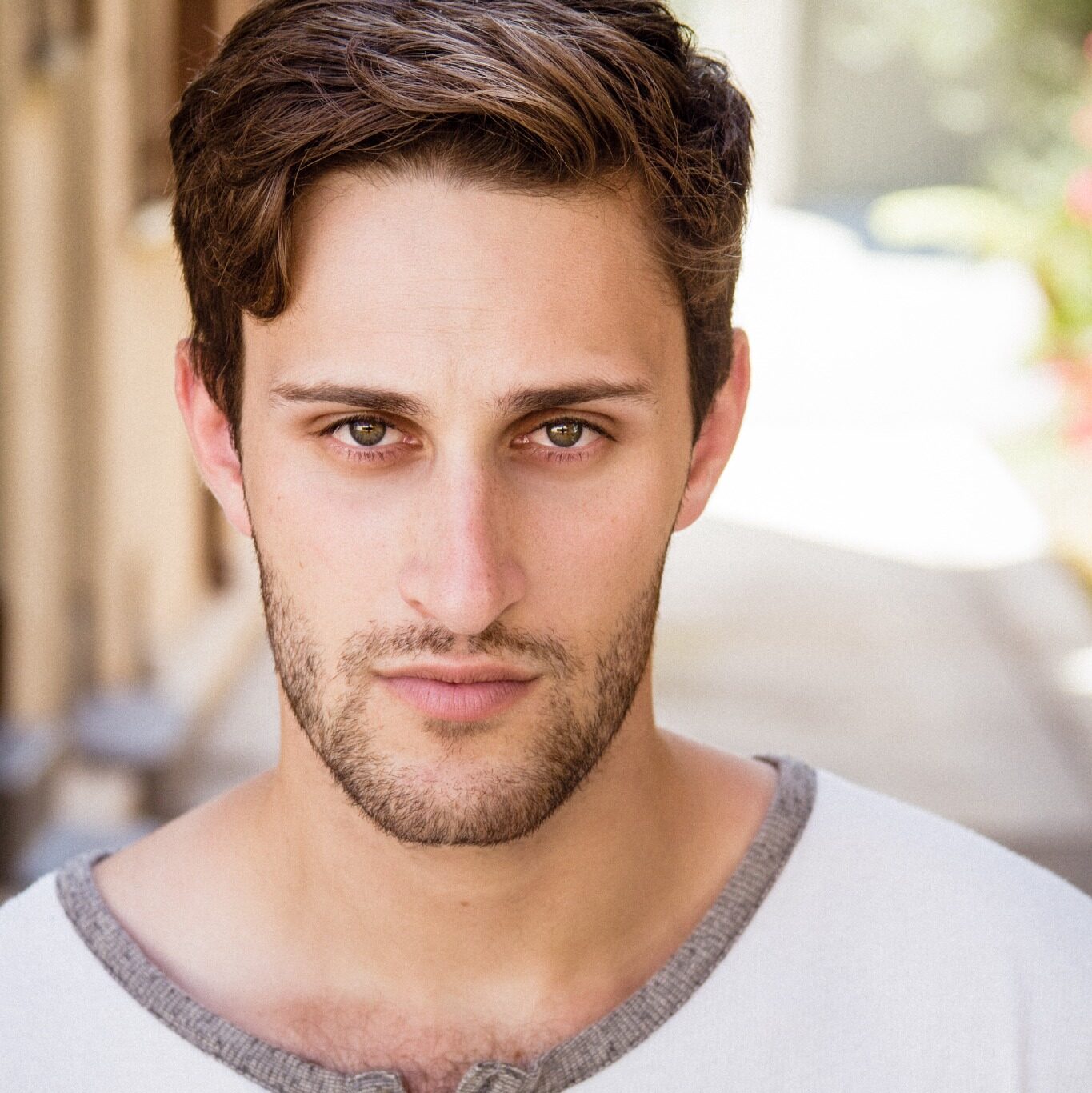
Zubin Anklesaria is the Co-Founder and CEO of Echobend Pictures, an independent film and media studio spanning production, post-production, music, and technology. A filmmaker and producer working across film, music, and celebrity-driven cultural campaigns, Zubin built Echobend as a vertically integrated studio developing original projects while collaborating with artists, brands, and creators across the broader entertainment ecosystem.
He developed and produced the feature film Me, Myself, and the Void, starring Star Wars’ Kelly Marie Tran. His work also includes major music videos such as Nicki Minaj’s VMA-winning “Super Freaky Girl” and Alex Warren’s “Ordinary,” as well as widely viewed campaigns featuring Sydney Sweeney, Megan Fox, and Jennifer Aniston in partnership with leading studios and global brands.
Known for pairing creative ambition with production infrastructure, Zubin focuses on building systems that empower artists and independent creators to bring culturally resonant stories to life.
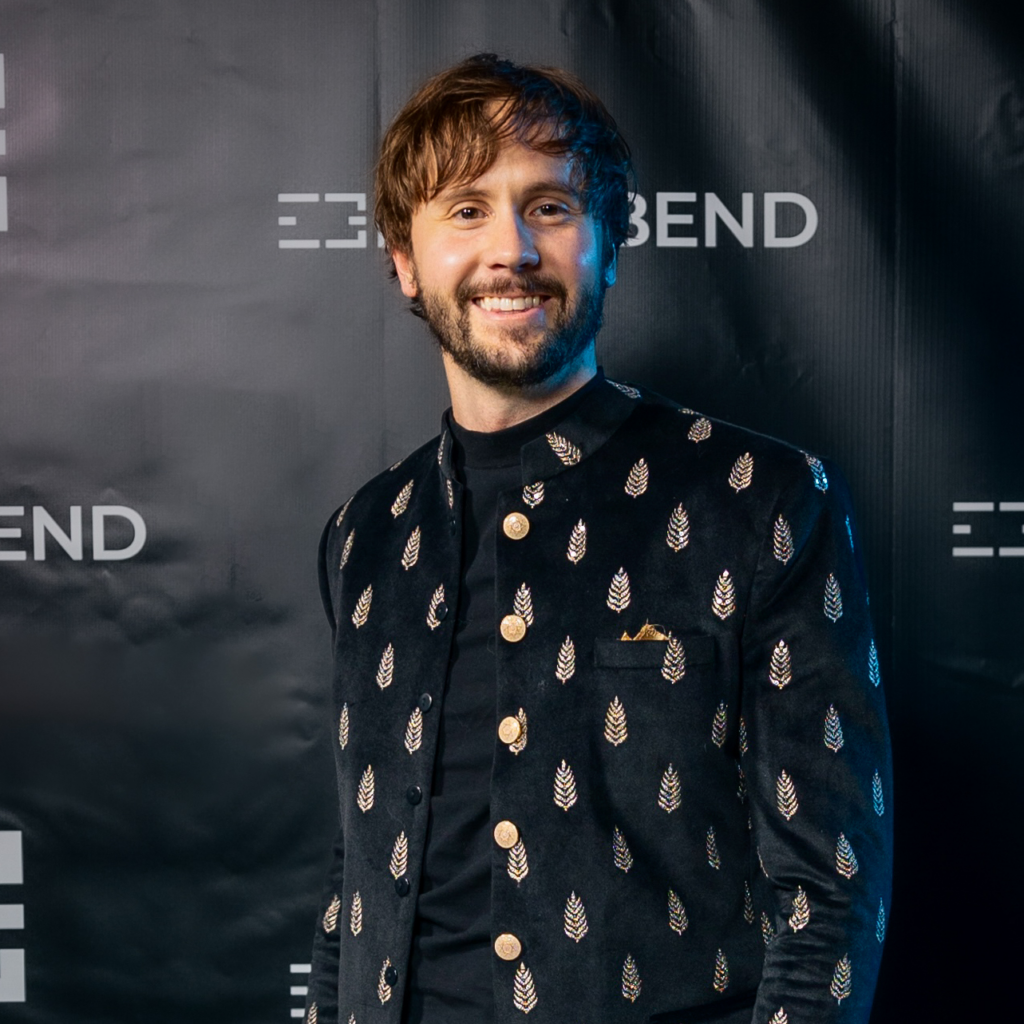
Ryan Turner has always known he wanted to be a filmmaker—ever since he convinced his 6th grade history teacher to let him make films instead of write papers.
He’s the co-founder of Echobend, a Los Angeles–based creative studio, and does everything from running post-production to directing commercials to experimenting with the latest AI filmmaking tools. His work has aired on TVs around the world, screened at film festivals, and garnered billions of views online.
He’s an optimist at heart and a big believer in building creative community. But most importantly, he doesn’t have to write any more papers. Except when asked for a bio.
Leave a Comment